Field Research in the Arctic
The third year in a row, we are for field work at Arctic Station in Qeqertarsuaq at Disko Island (Greenland) to conduct a winter soil warming. Arctic soils store large amount of carbon, but is threatened to be lost by global warming, which would accelerate global warming.
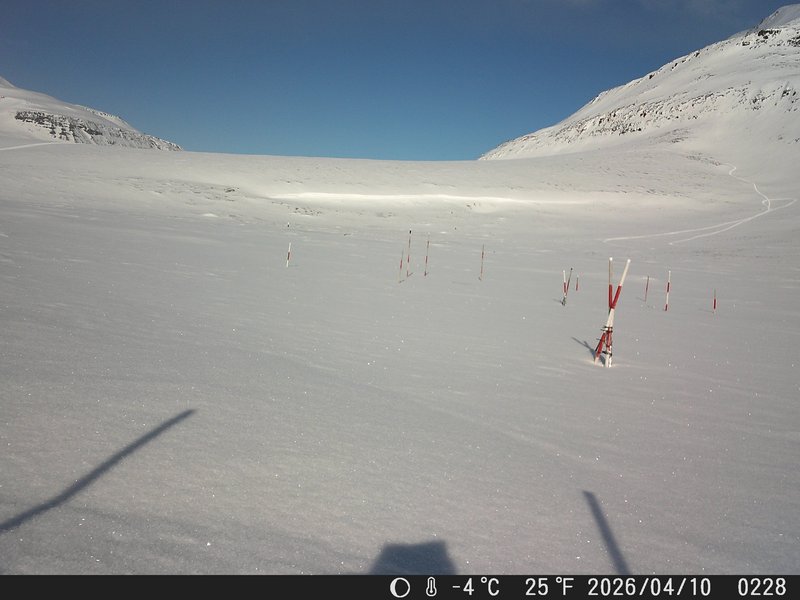
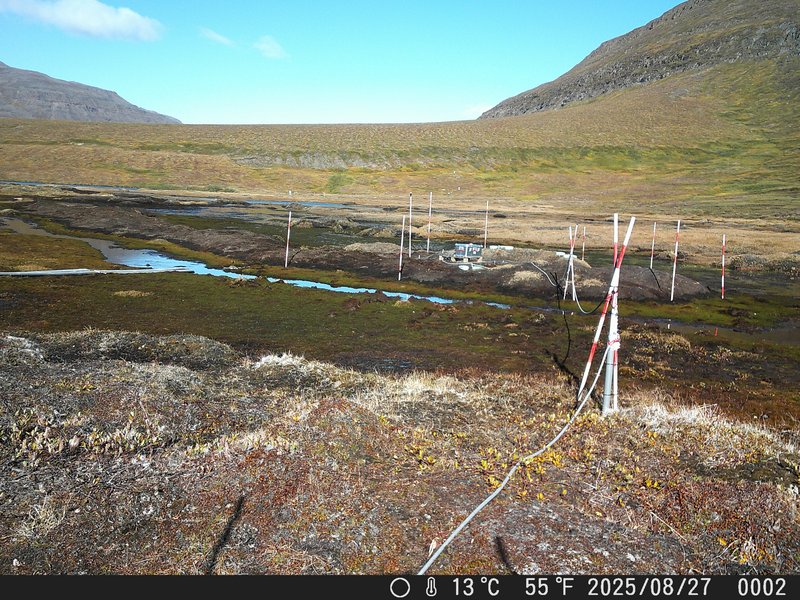
This winter we are exploring a new location, the periglacial environment with hummocks and palsas near the moraine lake called Tasia Sanninmgasoq in Blæsedalen (‘windy valley’), surrounded by basaltic tabletop mountains partly covered by glaciers.
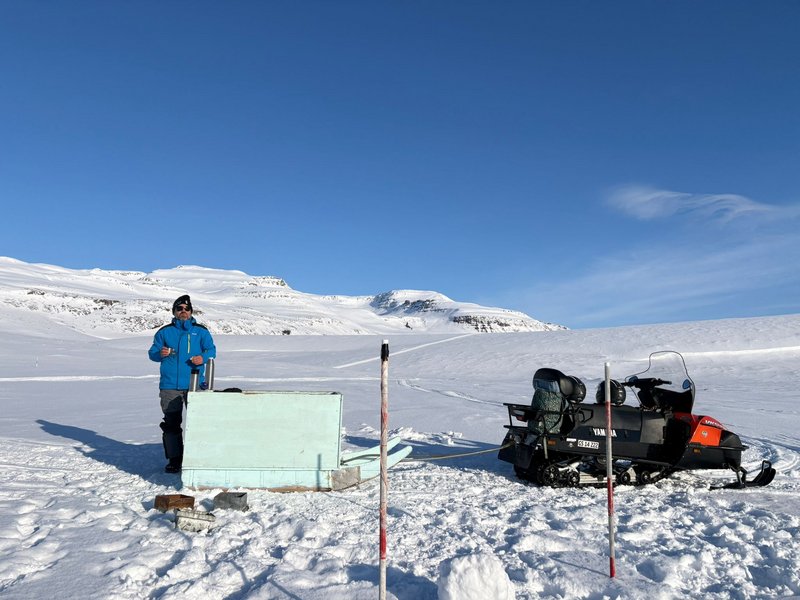
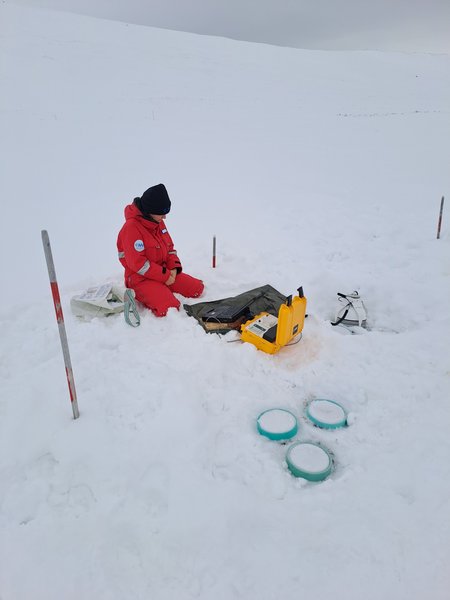
Here we conduct a soil warming experiment. After removing the snow, and partly a ca 20 cm thick ice layer, we are using heating plates to warm the soil surface for about one week. Before and during warming we measure daily soil respiration, that is the carbon dioxide that the soil breathes out. In addition, we also investigate nutrient mobilization in the soil following warming.
Typical fieldwork day included getting dressed, driving with a snow mobile to the field, digging the snow out that blew in every single day into the holes we dug in the snow cover to reach the soil surface, and measuring soil respiration along with soil temperatures. Sometimes we did this is calm, sunny weather, and sometimes when the wind was blowing snow across the valley. During calm moments at the Arctic Station we could spot Bowhead whales among the icebergs outside the window.
More information:
The unseen life in soils at Disko Island under climate change | Isaaffik the arctic gateway
RBB24 | Team der BTU Cottbus-Senftenberg forscht in Grönland zum Klima
Kontakt
Geopedologie und Landschaftsentwicklung
T +49 (0) 355 69-3049
tobias.ruetting(at)b-tu.de