Brandenburg’s energy transition: a reality check on the infrastructure
Brandenburg is one of the federal states where the energy transition is already well advanced. More electricity is generated from renewable sources than is consumed within the state itself. As a result, the focus of the transition is increasingly shifting away from simply expanding generation capacity towards addressing the question of how a highly dynamic energy system can be operated reliably, economically and stably.
The growing share of fluctuating renewable energies is placing new demands on the energy infrastructure. Electricity grids, storage facilities and digital control systems are becoming central components of the energy transition. At the same time, expectations from industry, heat supply and mobility regarding security of supply and predictability are rising. It is precisely at this interface that the performance of the energy system will be determined in future.
System integration as the real challenge of the energy transition
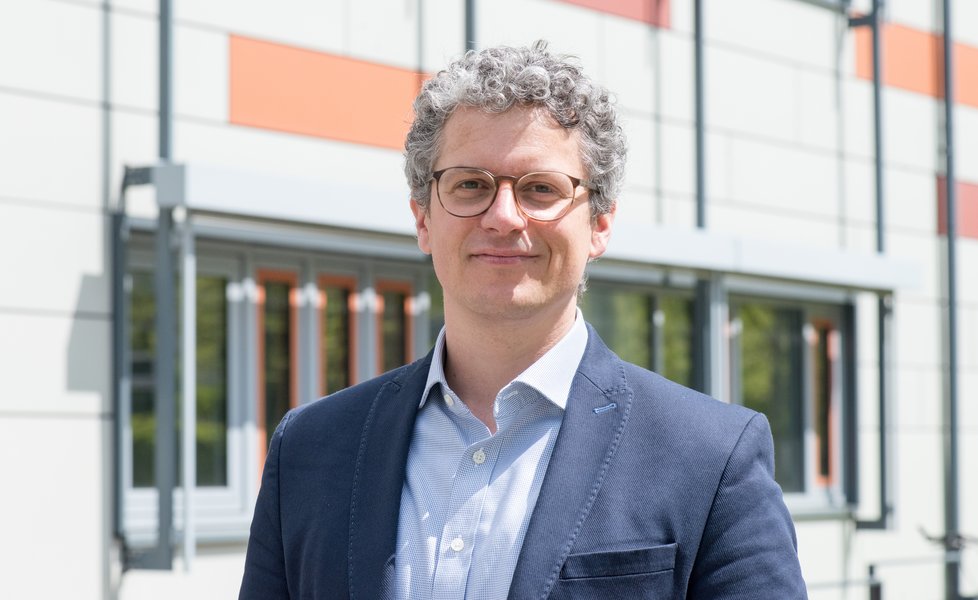
For energy experts such as Prof. Dr.-Ing. Johannes Schiffer from BTU Cottbus-Senftenberg, the decisive focus is therefore no longer solely on the expansion of renewable energies, but on their integration into the overall system. “The real challenge of the energy transition today lies in system integration. We have very high shares of renewable energy, but we must ensure that these can be integrated into the energy system in a stable, flexible and efficient manner at all times,” says Schiffer.
This shifts the focus more strongly onto the technical and organisational capabilities of the infrastructure rather than individual generation technologies. In this context, electricity grids are increasingly evolving from purely transport structures into active system elements. Without their consistent expansion and digitalisation, bottlenecks arise that can hamper both security of supply and industrial investment.
Lusatia as a real-world laboratory for the energy transition
At the same time, Lusatia is developing into an important innovation hub for the energy transition. The close links between research, industry and application make it possible to develop and test new technologies under real-world conditions.
“Lusatia offers a unique opportunity not only to plan the energy transition, but also to further develop it whilst the system is in operation. This combination of research, industrial transformation and real-world system conditions is a key locational advantage,” says Schiffer.
Research for the energy system of the future
The Cottbus Energy Innovation Centre (EIZ) plays a central role in this. The EIZ’s holistic research focuses on sector coupling, smart energy systems, hydrogen technologies, storage solutions, grid stability and digital methods for system control. This includes, among other things, simulations, AI-based approaches, hardware-in-the-loop test environments and demonstrators for future energy systems.
Around 120 experts from the fields of energy technology, Energy Economics and research will discuss these topics together with industry partners at the 3rd EIZ Annual Conference in Cottbus. The event is regarded as an important forum for scientific and technological exchange on concrete solutions for the energy transition.
Energy Day as a focal point for energy policy
Following this, the 26th Brandenburg Energy Day at the BTU Cottbus-Senftenberg will set the energy policy and economic framework. The focus there will be on the further development of energy infrastructures, issues of security of supply, and the implementation of the energy transition in business and practice. The EIZ will be represented at the Brandenburg Energy Day with the specialist forum “Transport and Distribution”, an information stand, and two innovation tours of the research laboratories Energy Economics Lab (EECON Lab) and Electric-Power-Systems Lab (EPS Lab).
The energy transition in Brandenburg is increasingly becoming a systemic issue – with grids, flexibility and integration as key factors in the coming years.
Subject contact
Press contact