New DFG GEIST network: BTU investigates the role of visions of the future in structural change
Researchers from Germany, Austria, Luxembourg and Norway are investigating how visions of the future shape economic developments and regional transformation processes. The focus is on the question of how ideas, visions and societal expectations influence economic change – alongside traditional factors such as infrastructure, investment and labour markets. In doing so, the network highlights the role of visions of the future as active drivers of regional development.
Lusatia and Minette as case studies of change
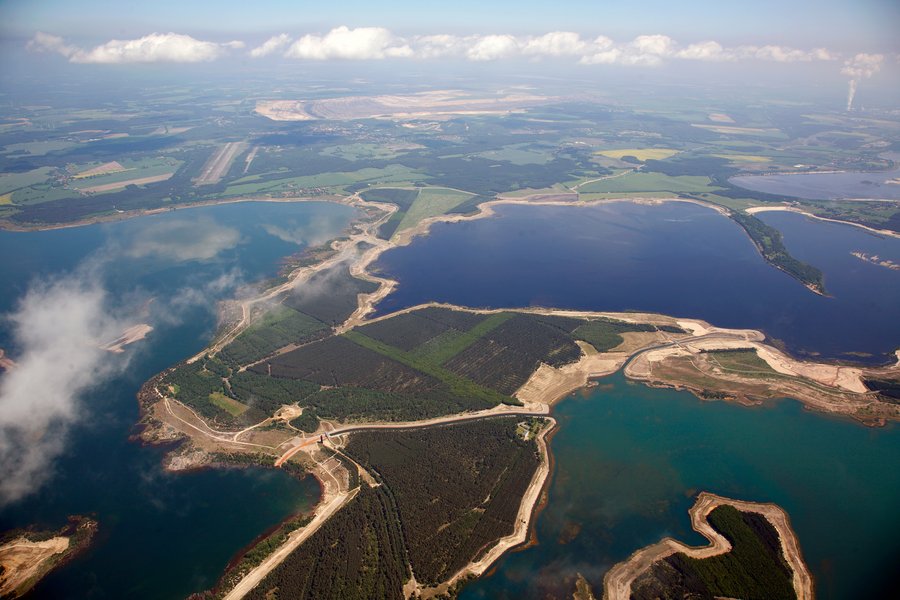
Lusatia serves as a key case study for structural change in Europe. As a region undergoing profound economic upheaval, it provides concrete insights into the interplay between political strategies, societal expectations and economic reorientation. In addition, the Minette region in south-west Luxembourg is being examined, as it has undergone a comparable transformation process. Further international comparisons are also intended to help better understand the patterns and differences in structural change.
“Lusatia is a prime example of how strongly visions of the future and societal expectations shape economic development pathways,” explains BTU researcher and project applicant Dr Tim Rottleb, who coordinates the network together with Dr Nicklas Riekötter from the University of Luxembourg. “Such perceptions have a very concrete influence on political decisions, investment and regional strategies.”
International collaboration and research objectives
The network brings together 18 researchers from 13 institutions. In five workshops, they are developing joint theoretical and methodological approaches to better analyse the impact of ideas on economic and spatial transformations. The meetings are taking place in locations including Cottbus and Esch-sur-Alzette (Minette).
The aim is to develop new perspectives on transformation processes, to strengthen international collaboration in economic geography research on transformation, and to establish joint publications and follow-up projects in the long term.
About the network
The DFG-funded GEIST network runs from 2026 to 2028. It brings together 18 researchers from Germany, Austria, Luxembourg and Norway and is coordinated by the BTU Cottbus-Senftenberg and the University of Luxembourg.
Key details
Name: GEIST – Geographies of Economic Ideation and Spatial Transformation
Duration: 2026–2028
Funding: German Research Foundation (DFG)
Participants: 18 researchers from 13 institutions in four countries
Funding: 84,000 euros
Contact