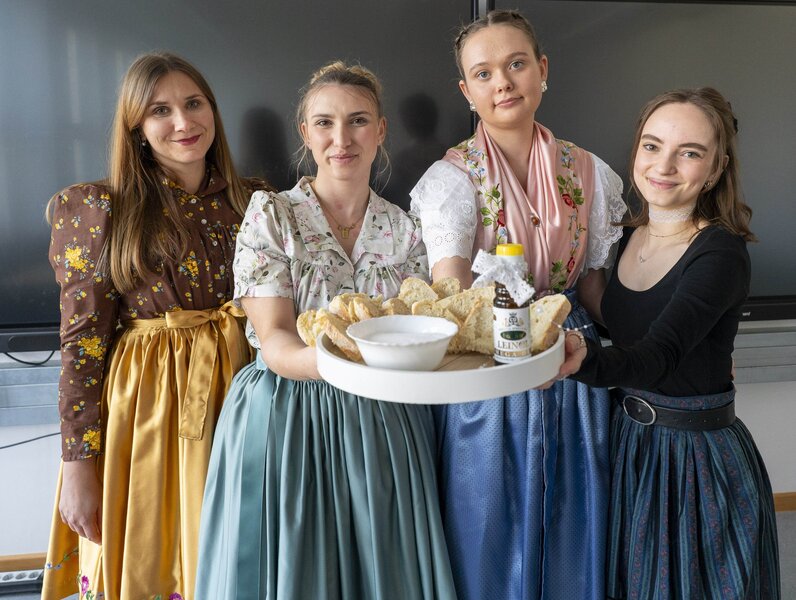
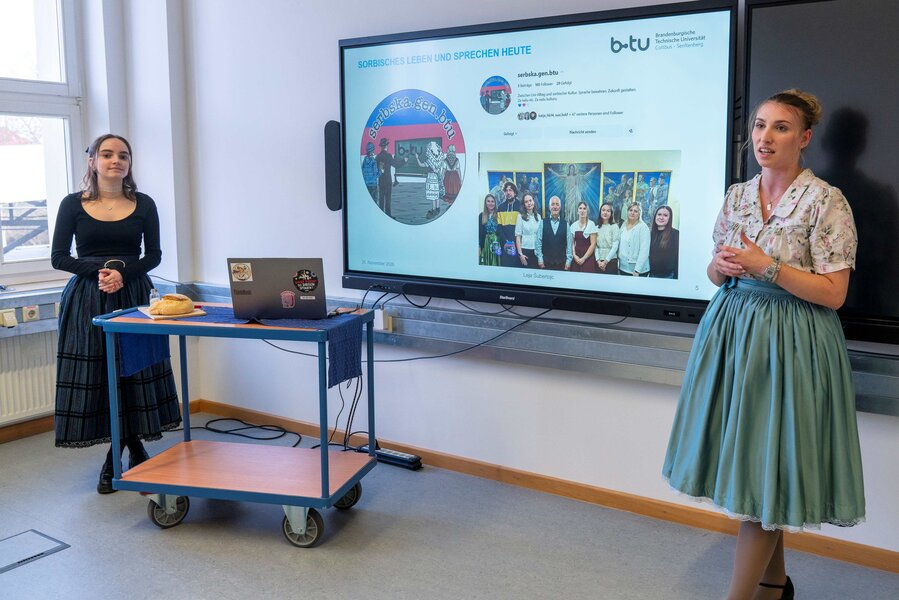
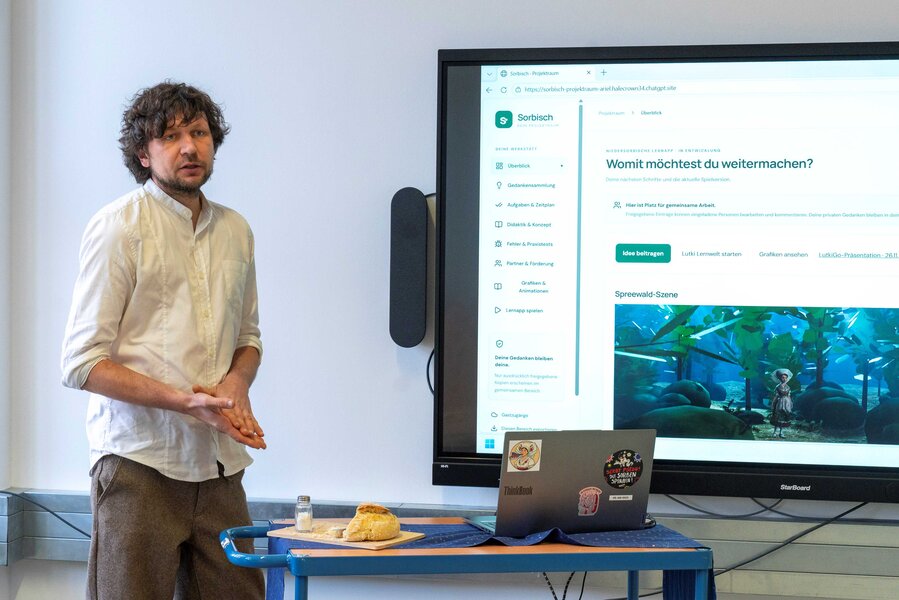
Teacher training for the future of the Sorbian/Wendish language and culture
The programme is tailored to the six-year primary school system in Brandenburg.
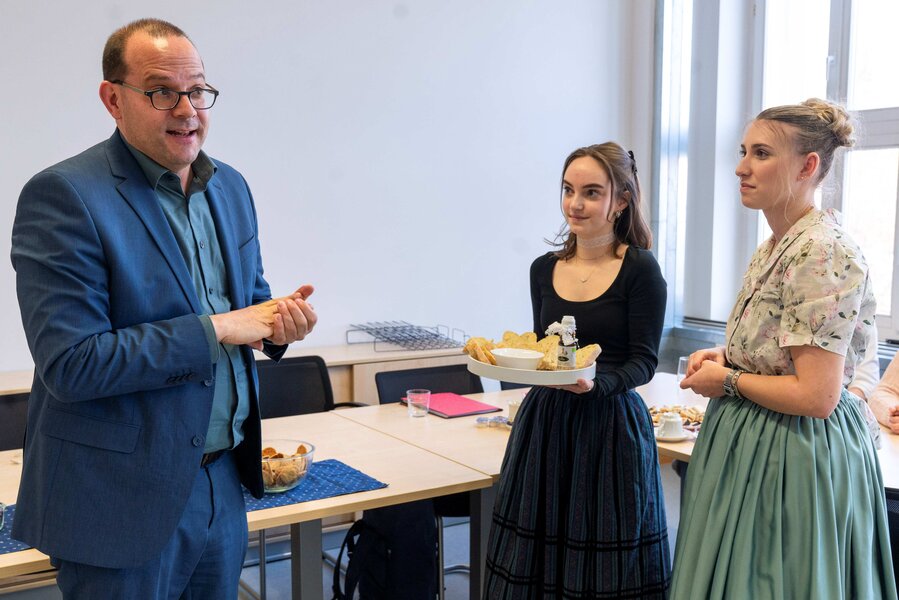
The State Commissioner for Sorbian/Wendish Affairs, Tobias Dünow, State Secretary for Science and Culture, attended the state conference and said: “The launch of the teacher training programme this year is one of the most significant policy decisions in Sorbian/Wendish affairs in recent years. For the first time, we are training primary school teachers in the Sorbian/Wendish language directly within the Sorbian/Wendish settlement area.
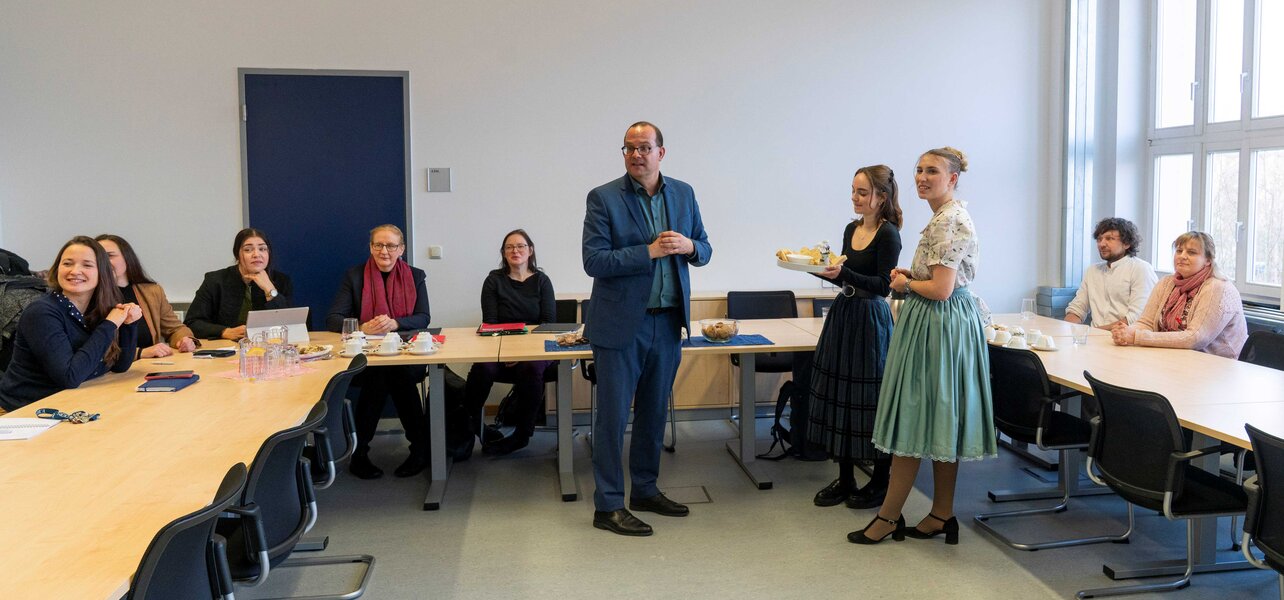
The scheme is proving successful: five students began their studies in October. This success is the result of a trusting collaboration between all stakeholders. The close cooperation between the state, the BTU, the Sorbian Institute and the RASW, together with the strong support from the local authorities, sends a clear message: together, we are safeguarding the future of the Sorbian/Wendish language and culture – and thus of the Sorbian people. Many thanks to everyone for this!”
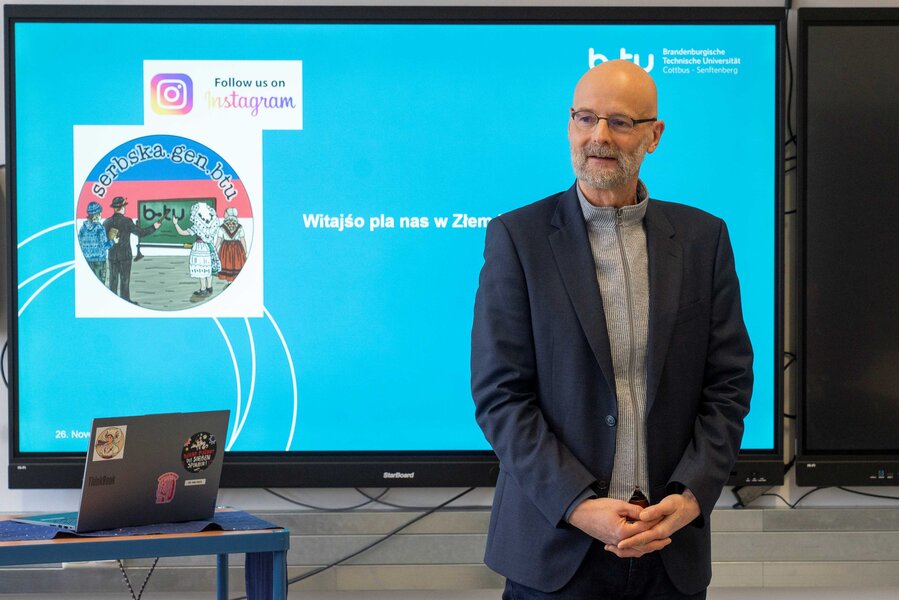
Prof. Dr Peer Schmidt, Vice President for Academic Affairs at the BTU, adds: “The degree programme in Senftenberg has come about thanks to the unassuming yet tenacious commitment of many members of society, not only from the Sorbian/Wendish community.
This spirit of community is also evident in the development of the curriculum through the close cooperation between the BTU and the Sorbian Institute, and is ultimately brought to life from the very first semester onwards through intensive collaboration with schools in the region. I am extremely grateful for the extraordinary commitment of everyone involved to the idea of a Sorbian/Wendish teacher training programme at the BTU.”
The degree programme has been developed in close consultation between the Ministry of Culture and Science, the Brandenburg University of Technology Cottbus-Senftenberg, the Council for Sorbian/Wendish Affairs (RASW), the Sorbian Institute and the Ministry of Education. With this programme at the BTU’s Senftenberg campus, primary school teachers are being trained for the subject of Sorbian/Wendish in the Sorbian/Wendish-speaking areas of Brandenburg for the first time. The programme is designed as a practice-integrated Bachelor’s degree and is intended to be followed by a dual Master’s programme.
Students can choose between the subject combinations of Mathematics and Sorbian/Wendish or English and Sorbian/Wendish. Practical teaching experience is to be provided, amongst other things, through WITAJ schools and schools offering Sorbian/Wendish as a foreign language. Scholarship programmes run by the Foundation for the Sorbian People (Załožba za serbski), the City of Cottbus (Chóśebuz) and the Spree-Neiße district (Wokrejs Sprjewja-Nysa) are intended to enhance the study programme’s appeal. The cooperation between the State of Brandenburg and the University of Leipzig will continue as before. The university will continue to offer Sorbian studies as well as teacher training for secondary schools.
The Sorbs/Wends have been settled in Lusatia for around 1,500 years. Despite attempts at assimilation by former rulers and governments, they have preserved their own language and their culture, which is characterised by numerous festivals and a rich variety of customs. The Lower Sorbian language belongs to the Slavic language family; it is a recognised minority language in Germany and is protected in Brandenburg by the state constitution.
The State of Brandenburg is taking a range of measures to help better preserve and further develop the culture and language of this national minority. This year, the state is supporting the Foundation for the Sorbian People with around 4.9 million euros.
Contact
Kommunikation und Marketing
T +49 (0) 3573 85-283
ralf-peter.witzmann(at)b-tu.de