AI and Citizen Science: BTU research turns smartphones into tools for sustainable agriculture
Researchers at the Brandenburg University of Technology Cottbus-Senftenberg (BTU) have developed an innovative approach that combines artificial intelligence (AI) and citizen science to monitor the productivity of coffee plantations in a simple, cost-effective and scientifically sound manner. Juan Camilo Rivera-Palacio’s PhD thesis in the Environmental Data Science chair shows that smallholders in Colombia and Peru can reliably document their yields using ordinary smartphones and a simple recording protocol. The findings could facilitate access to digital agriculture for millions of smallholder farms worldwide.
Global agriculture faces the challenge of ensuring food security for a growing world population whilst simultaneously tackling the consequences of climate change. Precision agriculture offers promising solutions to this, but remains out of reach for many smallholders due to high costs and technical requirements. The doctoral thesis, carried out at the BTU, therefore investigates whether smartphones – combined with modern AI – represent a practical alternative.
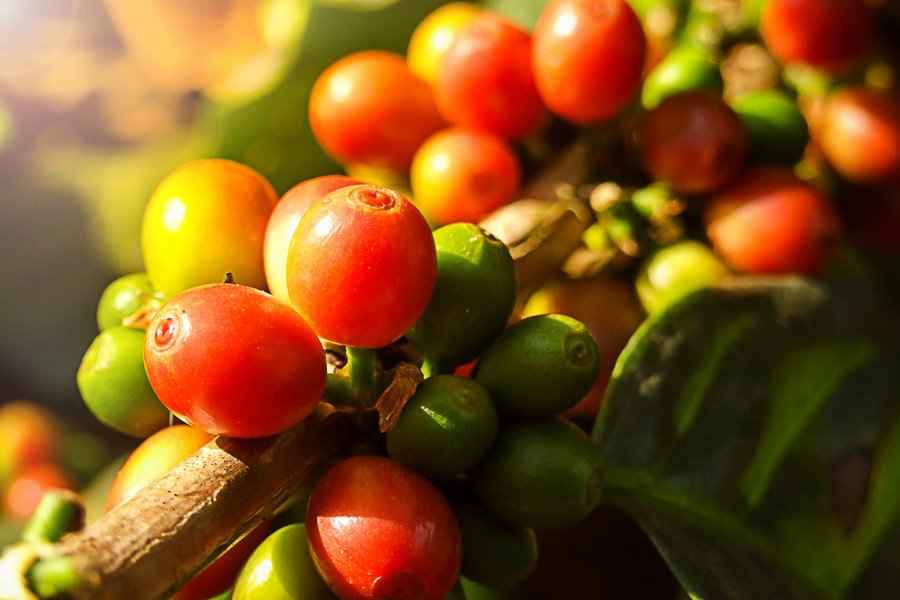
At the heart of the research is a deep learning model that estimates the number of coffee cherries based on smartphone images. Just three photos per coffee tree are sufficient to achieve yield estimates with an accuracy that is comparable to, or even better than, existing computer-based methods.
Furthermore, the doctoral thesis investigated which factors influence the quality of the AI analyses. It emerged that reliable results depend less on the specifications of the smartphone and more on consistent adherence to the imaging protocol and careful data collection.
In a further step, the analysis was successfully extended from individual trees to entire farms. By combining the image data with information on soil, climate and farming practices, it was possible to predict the productivity of entire coffee plantations with a high degree of accuracy. With the help of explainable AI, correlations between soil properties, climatic conditions and agricultural practices were also revealed.
“Our aim was to show that modern AI does not necessarily require expensive specialist technology. Many smallholders already own a smartphone. If they use it in accordance with a simple scientific protocol, they can generate high-quality data themselves and benefit from digital tools. Citizen science thus becomes a key building block of sustainable and inclusive agriculture,” says Juan Camilo Rivera-Palacio.
The work not only contributes to the further development of digital agriculture, but also demonstrates how science and society can be more closely linked. Farmers thereby become not just users of new technologies, but active partners in research. At the same time, the approach opens up new possibilities for large-scale monitoring of agricultural production – an important foundation for better understanding the impacts of climate change and developing appropriate adaptation strategies.
The PhD thesis validates smartphones as scientific tools for agriculture, emphasises the central role of people in data collection, and outlines a scalable approach ranging from the monitoring of individual plants to the analysis of entire farms. In future, the methods are to be further developed, real-time applications enabled and the approach extended to other crops and farming systems.
The thesis:
Artificial Intelligence and Citizen Science for Scalable Monitoring of Coffee Productivity / Author: Juan Camilo Rivera-Palacio
Contact
Press contact