First India Day at BTU
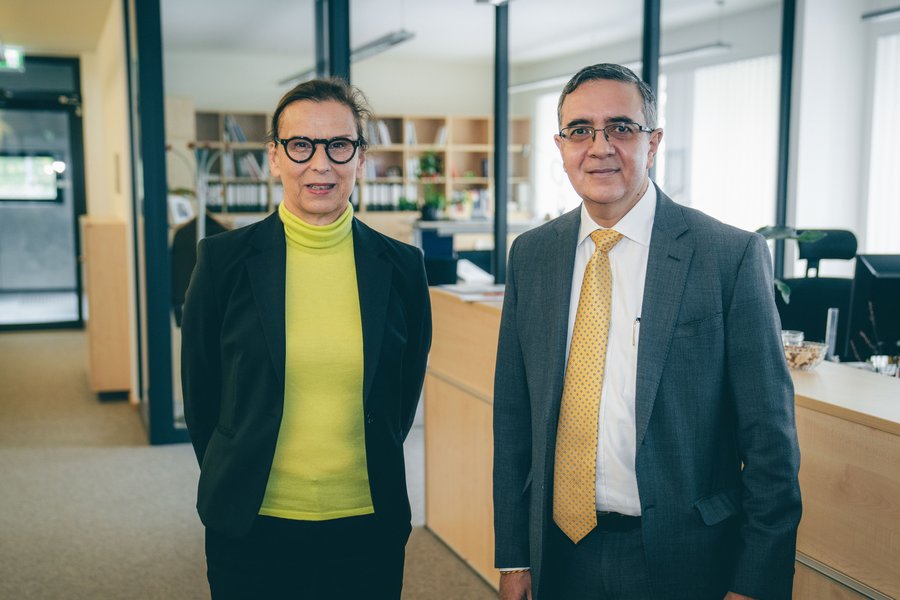
Following a welcome address by BTU President Prof. Gesine Grande, the Indian Ambassador to Germany, H.E. Mr Ajit Vinayak Gupte, will provide an insight into Indo-German cooperation in his opening speech.
As the largest international community, Indian students and researchers shape academic life on campus and also contribute to the cultural scene. At the Brandenburg University of Technology Cottbus-Senftenberg (BTU), young people from India are studying in particular technical subjects such as artificial intelligence, power engineering and environmental and resource management.
India is rapidly emerging as a world-leading centre for science and innovation. The dynamic development of its higher education and research system opens up numerous points of contact and opportunities for bilateral cooperation between the two countries. The possibilities are wide-ranging. They extend from student mobility and the recruitment of skilled workers to research and innovation partnerships.
The aim of the event is therefore to highlight the contributions made by students and researchers from India to the success of the BTU and to celebrate what has been achieved. Experienced students and researchers will talk about their academic journeys and achievements, whilst also seeking to inspire the younger generation of students and engage in dialogue with them.
The programme thus includes presentations from the fields of research and knowledge transfer, as well as insights into degree programmes, start-up activities, careers in academia and professional development opportunities in the business sector. The development of Lusatia as a region undergoing transformation and the Lusatia Science Park will be highlighted, as will success stories and potential career paths for students and PhD candidates in this context.
India Day is accompanied by traditional performances by Indian students. The event, organised by students from ISAC (the Indian Student Association at BTU), was funded by the Indian Embassy and, as part of the STIBET programme, by the DAAD with funding from the Federal Foreign Office (AA).
Contact