‘Paths Across the Countryside’ – or the invention of the GDR
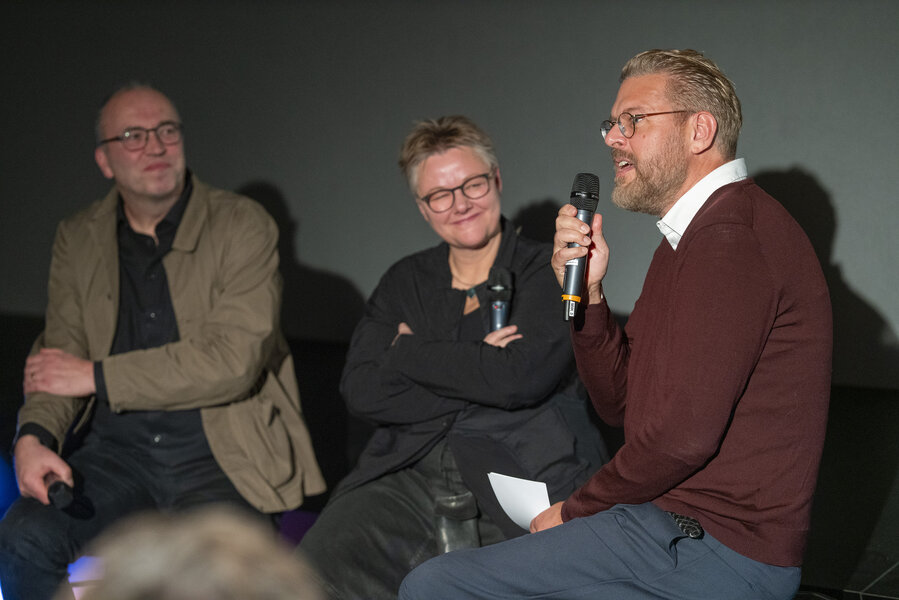
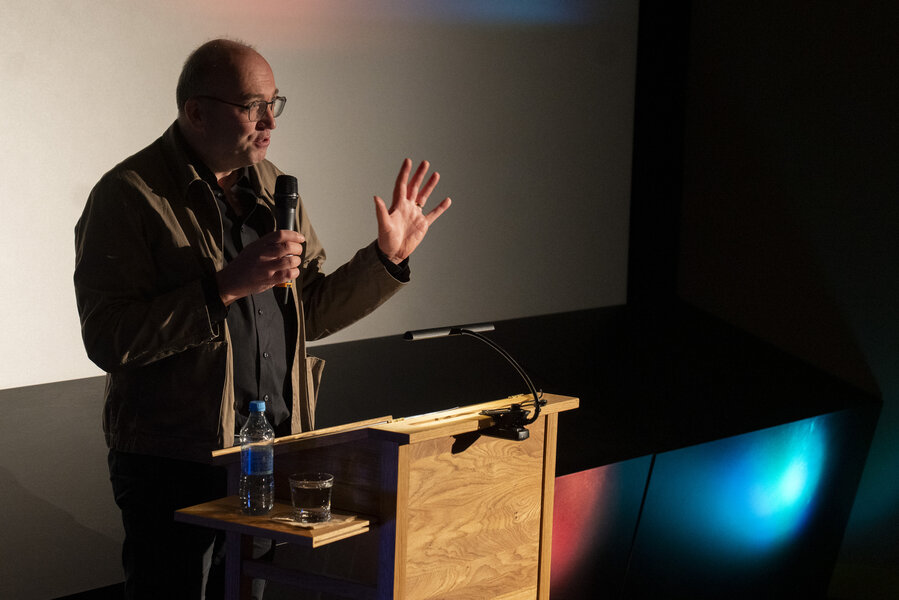
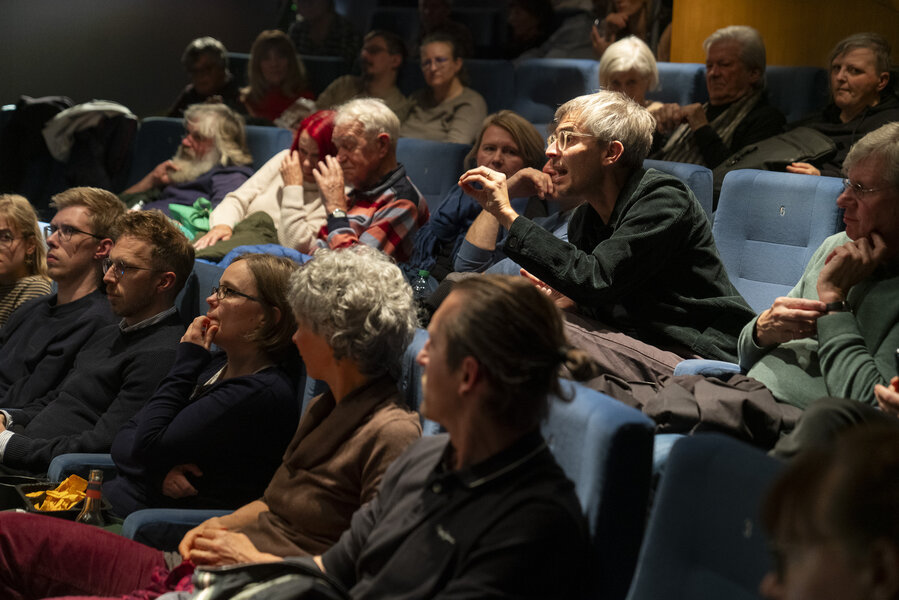
How does a society come into being – and how does it later recount its own origins? This question was the focus of the second ‘Cottbus Film Talks’ held on 26 October at the Weltspiegel cinema in Cottbus. With a sold-out cinema, the evening built on the success of the premiere in December 2025. The focus was on the five-part television film *Wege übers Land* from 1968. Following an introduction by Prof. Jörn Ahrens (Justus Liebig University, Giessen), Part 2 of the film was screened. The subsequent discussion with him, Prof. Sylvia Claus (BTU Cottbus-Senftenberg) and Prof. Christer Petersen (BTU Cottbus-Senftenberg), who also moderated the audience discussion, provided an opportunity for an in-depth examination of the film. Part 3 was screened to round off the evening.
The series centres on Gertrud Habersaat, played by Ursula Karusseit. Her life’s journey takes her through war and the post-war period, displacement, personal loss and a new beginning in society. Whilst she initially benefits from the prevailing circumstances, she is at the same time confronted with their consequences. Questions of guilt and responsibility thus intersect with experiences of suffering, compassion and moral decision-making.
Taking the evening’s title, ‘The Invention of the GDR’, as its starting point, the discussion centred on the question of how history is told and what image of the past this creates. It became clear how *Wege übers Land* links National Socialism, the war and the end of the war with a new social beginning, and constructs a propaganda-influenced founding narrative of the GDR that interprets its emergence as an anti-fascist new beginning. At the same time, it was highlighted how the multi-layered characters, their contradictory experiences and individual conflicts reveal the tensions between political aspirations and lived reality.
The narrative style also contributes to this portrayal of history. At a leisurely pace, the film conveys history not only through political events, but also through work, conversations and personal relationships. Social change thus becomes tangible in everyday life and in the lives of individual people. ‘Wege übers Land’ thus tells not only of the emergence of the GDR, but also of how historical narratives construct the past and continue to shape our understanding of history and social change to this day.
Report: Katharina Klauk
Contact
Angewandte Medienwissenschaften
T +49 (0) 355 69-2184
petersen(at)b-tu.de