BTU study investigates how mowing machines endanger insects
Sustainable alternatives without economic losses
The aim of the EcoMow project is to persuade farmers to abandon such machines in species-rich meadows through suitable measures and without economic losses. The aim is to find solutions for sustainable agricultural use in the long term.
An underestimated risk factor for biodiversity
Insects are indispensable for our agriculture and the functioning of ecosystems - but their numbers are declining drastically. In addition to agricultural intensification, climate change and habitat loss, a factor that has received little attention to date plays a decisive role: the use of mower conditioners. Conditioners are used on many European grassland farms to dry the cuttings more quickly after mowing. However, in doing so, they also crush the insects living in them - a potential loss for biodiversity.
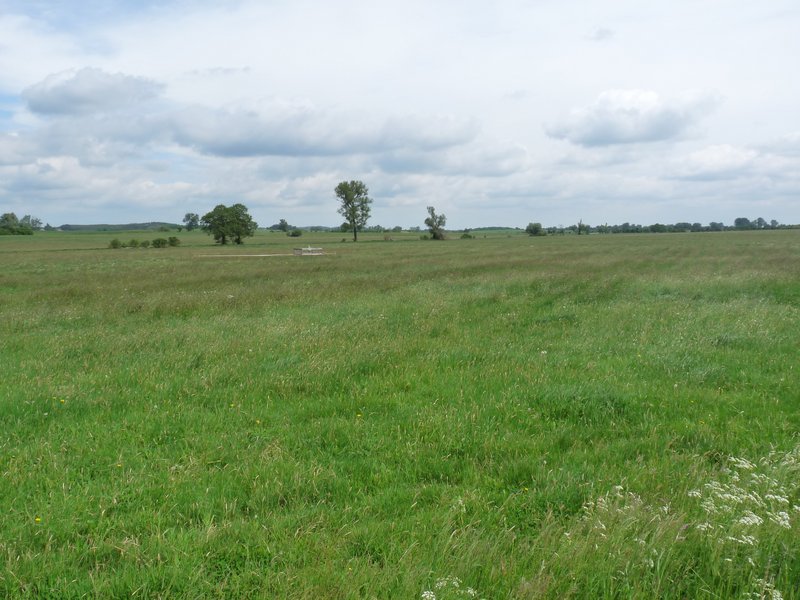
The project "Ecological and economic consequences of the use of conditioners when mowing grassland", or EcoMow for short, is now investigating for the first time in various regions in Germany how mower conditioners affect insect populations in meadows with different management intensities. The aim is to develop ways in which farmers can dispense with the use of conditioners without suffering economic disadvantages.
Combining ecological and economic strategies
The scientists are developing strategies to combine Ecology and agriculture in an economically viable way. To this end, ecological-economic models are being developed: they show how agri-environmental and climate measures (AECM) can be designed in such a way that biodiversity goals are achieved in the best possible way with a limited budget. Farmers who refrain from using conditioners in regions with high biodiversity are to be financially compensated.
EcoMow combines ecology and economy - for flowering meadows, healthy insect populations and economically viable agriculture.
Press contact
Kristin Ebert
Communication and Marketing
T +49 (0) 355 69-2115
kristin.ebert(at)b-tu.de
Contact us