Digital. Autonomous. Climate-friendly: drives of the future in the Industrial Metaverse
From concept to finished factory - digitally planned
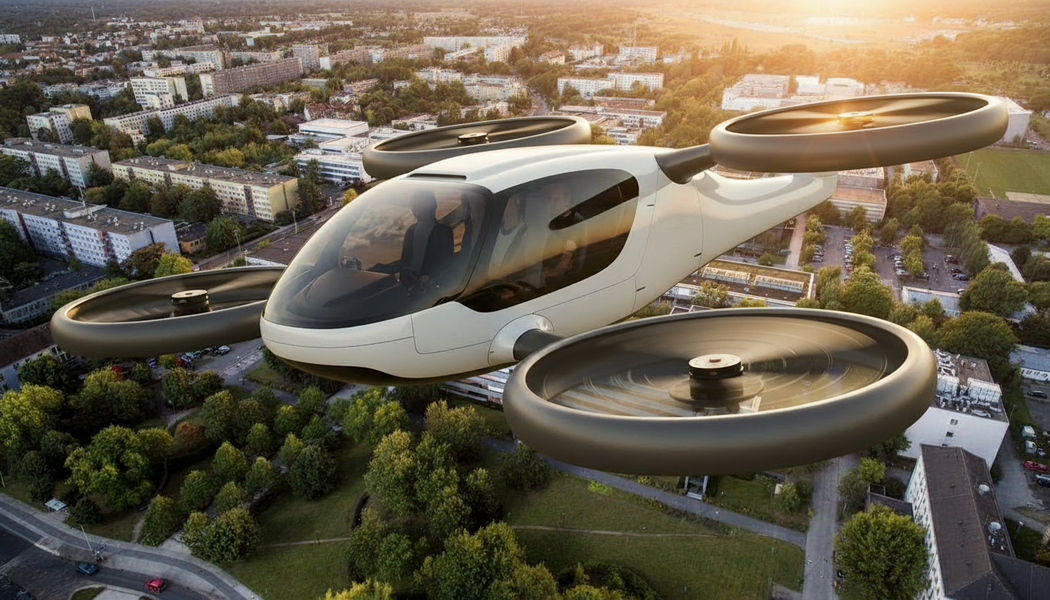
Aviation is facing its biggest transformation yet: away from fossil fuels and towards electric and hybrid drives. "LoPPer" aims to do just that - and focuses on high-precision, automated assembly of magnetic components for electric aircraft engines.
"We are not only developing the drive, but the entire life cycle at the same time," explains Prof. Dr.-Ing. Ulrich Berger, Chair of Automation Technology at BTU. "Thanks to digital twins, we can virtually plan, simulate and optimise the entire production process before even a single screw is turned in reality."
Digital quality fingerprint accelerates admissions
One particular highlight: the digital quality fingerprint. Each component receives complete digital documentation. This significantly shortens the often years-long approval processes in aviation, as errors can be recognised and rectified virtually.
Strong partners drive innovation
In addition to BTU, other renowned partners are involved in the project:
- Centre for Hybrid-Electric Systems Cottbus (chesco)
- Additive Drives GmbH (Dresden) is contributing cutting-edge expertise in the development of efficient electric motors.
- Fraunhofer-Gesellschaft contributes expertise in digital production planning and life cycle analysis with three institutes (IWU, IPK, IFF).
At BTU, 13 full-time employees from six chairs work together on an interdisciplinary basis - from Automation Technology and Power Electronics to Applied Mathematics.
A beacon for the climate and the region
With a total volume of 14.5 million euros, including around 3.8 million euros for the BTU, the project not only strengthens structural change in Lusatia, but also shows how climate protection and high-tech industry go hand in hand. The autonomous production methods reduce emissions and make electric flying suitable for mass production. Cottbus is thus consolidating its reputation as a European centre for hybrid-electric aviation.
Specialist contact
Press contact