
Projects within the Lusatia Science Park
Together with its partners, BTU Cottbus-Senftenberg bundles cutting-edge research and transfer at an international level in an interdisciplinary innovation network. Four profile lines are the focus of the Lusatia Science Park: "Energy transition and decarbonization", "Health and life science", "Global change and transformation processes" and "Artificial intelligence and sensor technology". These large, interdisciplinary research topic areas link university and non-university science with the needs of business and society in structural change. The projects of the Lusatia Science Park have international appeal:
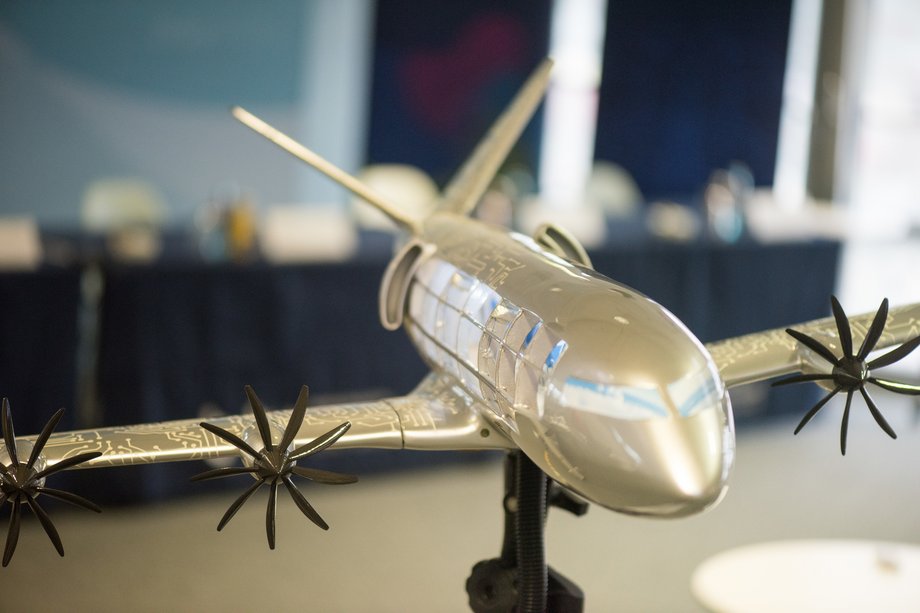
CHESCO - Center for Hybrid Electric Systems Cottbus
At the Center for Hybrid Electric Systems Cottbus, scientists are researching hybrid-electric propulsion systems. The pilot project is a contribution to achieving climate neutrality in aviation by 2050.
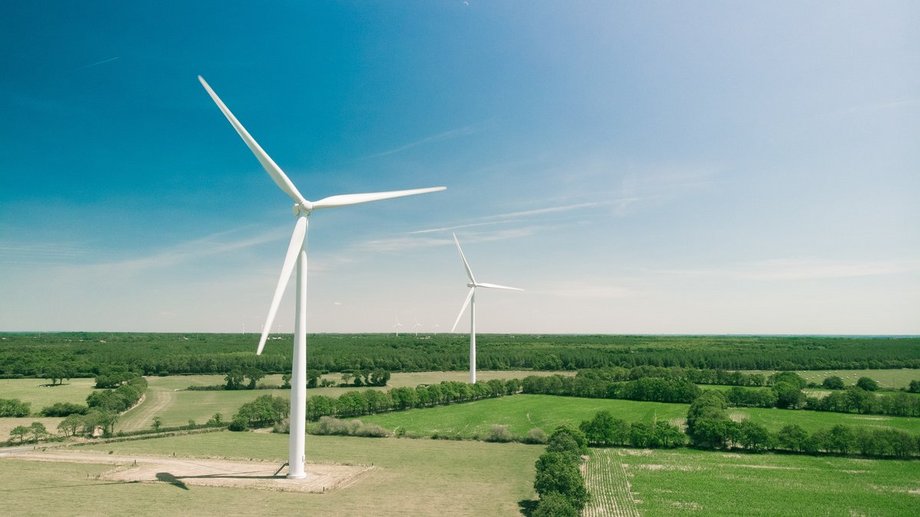
Energie-Innovationszentrum
As a bridge between science and industry, more than 70 scientists from BTU Cottbus-Senftenberg are working together with an interdisciplinary network of partners in the new Energy Innovation Centre (EIZ) to develop innovative solutions and technologies for a climate-neutral energy supply in Lusatia and worldwide. It consists of six networked laboratories (labs) with their own thematic focuses.
SpreeTec neXt – Neue Fertigungstechnologien für Komponenten und Systeme der dezentralen Energietechnik
The partner network is located within a corridor along the River Spree that connects Lusatia and Berlin. In order to participate in the value creation potential of new future technologies, the SpreeTec neXt initiative supports metal and plastics processing companies in Lusatia. The focus is on researching climate-friendly green processes for energy conversion and storage.
OASYS
‘Optoelectronic sensors for application-oriented systems for life sciences and intelligent manufacturing’ is a research collaboration between four partners (BTU, IPMS, FBH, IHP) who want to put photonic technologies into practice. Practical development projects within the project promote the innovation and competitiveness of regional companies through strategic integration into implementation processes and the local training of skilled workers in the high-tech sector for the sustainable transfer of research and development results through targeted participation.
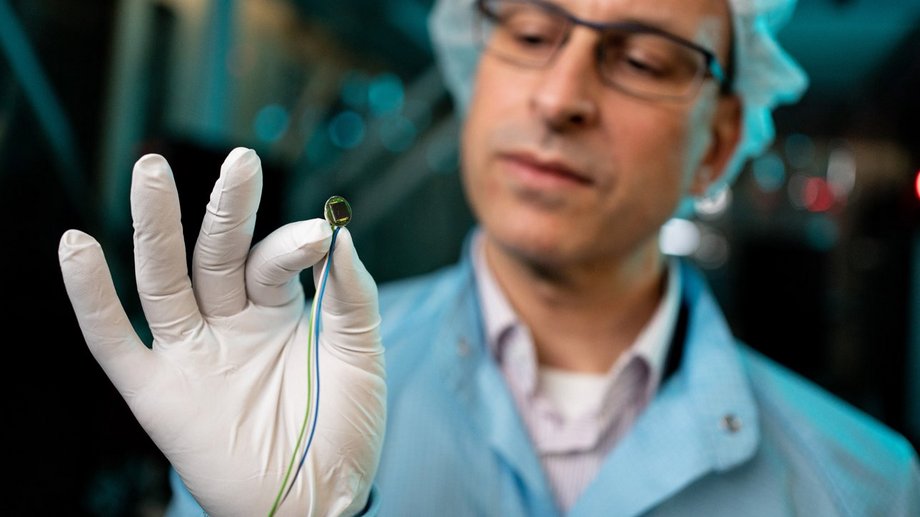
Innovation Campus Electronics and Microsensorics Cottbus - iCampus
The iCampμs is the BTU's first structural change project from the immediate program and a research cooperation with the aim of establishing products in the fields of microsensors and digitization in Lusatia together with SMEs.
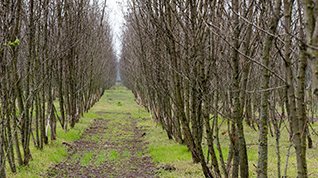
LiL Land-Innovation-Lausitz
The aim is to develop Lusatia into a model region for adapting land use to climate change, for example through innovative soil melioration, sustainable cultivation systems and biomaterials, such as agricultural films of new functionality
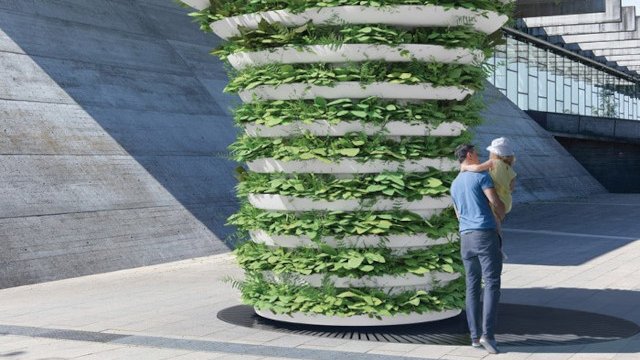
TurboFuelCellFuE - T-Cell
The T-Cell is the relevant energy converter of the future and is able to implement the requirements from the coal and nuclear phase-out in terms of sustainable climate policy. As a decentralized energy supplier, the T-Cell uses the existing infrastructure in a resource-oriented manner and can be operated with regeneratively produced hydrogen. Its unsurpassed efficiency directly ensures reduced pollutant emissions.