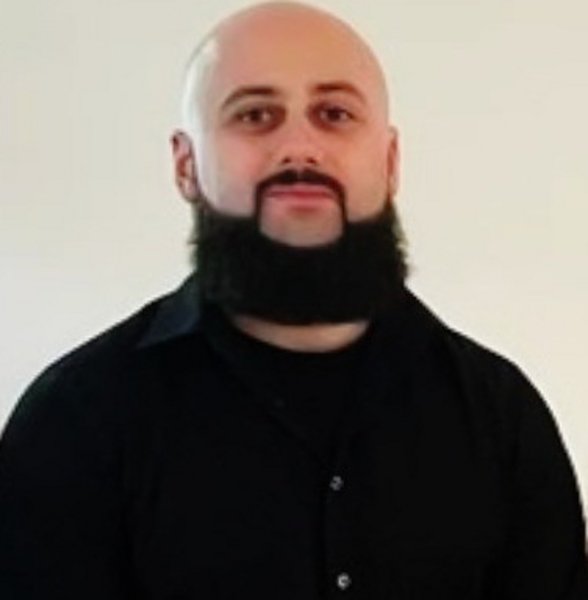
Interview with BTU alumnus Sergei Sinelnikov (BWL)
Sergei Sinelnikov studied Business Administration at BTU (Bachelor and Master Thesis) and works as an auditor in Berlin. In this alumni interview, he explains what it's all about.
Hello Mr Sinelnikow, how did you decide to study Business Administration at BTU and what was your experience here?
When choosing a university, I had two wishes: to stay as close as possible to where my family and friends live and not to have overcrowded lecture theatres during my studies. I sent a few applications to my preferred universities and BTU was the quickest. I didn't have to think about it for long and accepted immediately. That got the ball rolling. I initially found it difficult to start my degree programme. As a beginner, you can quickly become overwhelmed by the number of modules, especially on a Bachelor's degree programme. The unusually fast pace of learning and the amount of material were also new territory for me. However, I got the hang of it from the third or fourth semester onwards, and from then on I made pretty good progress. I didn't particularly enjoy some of the mandatory modules in the Bachelor's programme and I had to take a second round of some exams. In contrast, I have very positive memories of the Master's programme. I was able to put together my own modules and it was definitely the best time of my student life. Looking back, I don't regret for a second that I decided to do a degree programme. It has contributed a lot to my development as a person - to the way I think, approach problems and organise my day.
You completed both your Bachelor's and Master's degrees at BTU. What would you recommend to Bachelor's students who are still unsure about what to do next?
Unfortunately, I realised it far too late and didn't have anyone to support me as a mentor, but I can recommend this to every Bachelor's student: Do as many internships as possible. Not only will you gain professional experience, which will be viewed positively by companies - if you want to go through life as an employee - but you will also learn a lot about yourself. Just because your best friend works as a controller and recommends this path to you doesn't necessarily mean it's a job that you will enjoy in the long term. Try it out, go into controlling, auditing, sales or production. Take a look at the processes and the work there and ask yourself whether you really want to do this in the next few years.
You work as an auditor at DOMUS AG in Berlin. How did that come about and what exactly do you do there?
I had a career break that coincided with the war in Ukraine. When I returned, the HR department at DOMUS became aware of me via LinkedIn. That's how the first contact came about. It became clear relatively quickly that I would find my long-term home in the Audit department. The lectures given by Dr Toebe, who is an auditor himself, and my primary field of study - investment and finance - which was heavily influenced by auditing topics, were also decisive factors. As an auditor, I am responsible for auditing the annual financial statements of co-operatives and property companies in the SME sector. To briefly describe my work: I have to ensure that the annual financial statements are free of material errors by specifically auditing the risk areas in the balance sheet and income statement as well as in the notes, management report and minutes. I have also carried out internal audits as well as smaller IT and data protection audits. From March 2026, I will start working as an auditor at Genoverband e.V. The work remains the same, only the mandates are new.
You have worked in different areas, from real estate, start-ups and credit departments, and have had different activities in each case. The variety of opportunities is certainly a plus point in Business Administration. What would you say to prospective students who are perhaps interested in business but don't have any concrete career prospects before starting their studies?
A degree programme gives you a wide range of prospects in many companies, as the title "Business Administration" does not specifically place you in one department for your entire life. You definitely have the advantage of being able to develop your career within or outside the company in the long term. What's more, your learning time doesn't end when you graduate. You must and should also acquire further training or certificates in your professional life that will take you further. Thanks to a Bachelor's or Master's degree, you will often be placed in a higher position, have to take fewer exams or not even attend certain further training courses as they are recognised by your degree.
What do you miss most from your periods of study?
The freedom. The days seemed longer. I had more freedom and fewer obligations than I do now.