NAT'26 in Berlin: Neuroadaptive AI and brain-computer interfaces as technologies of the future
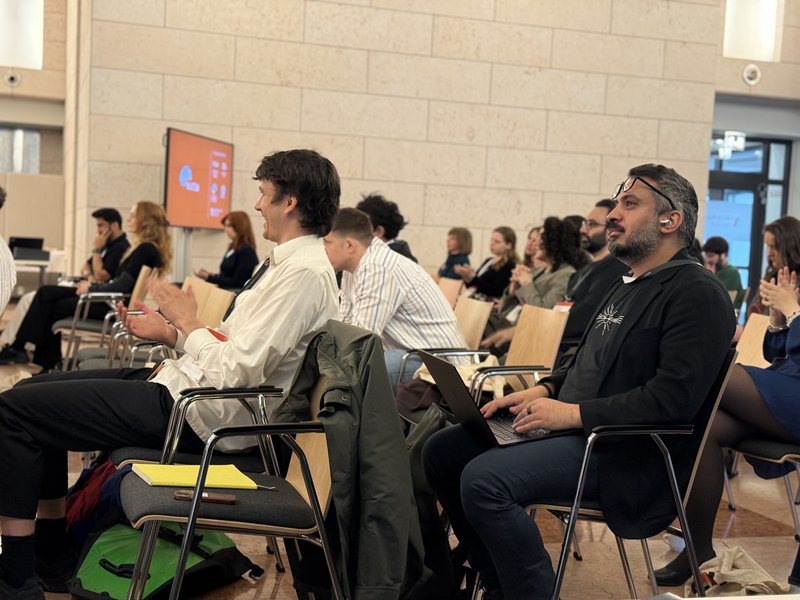
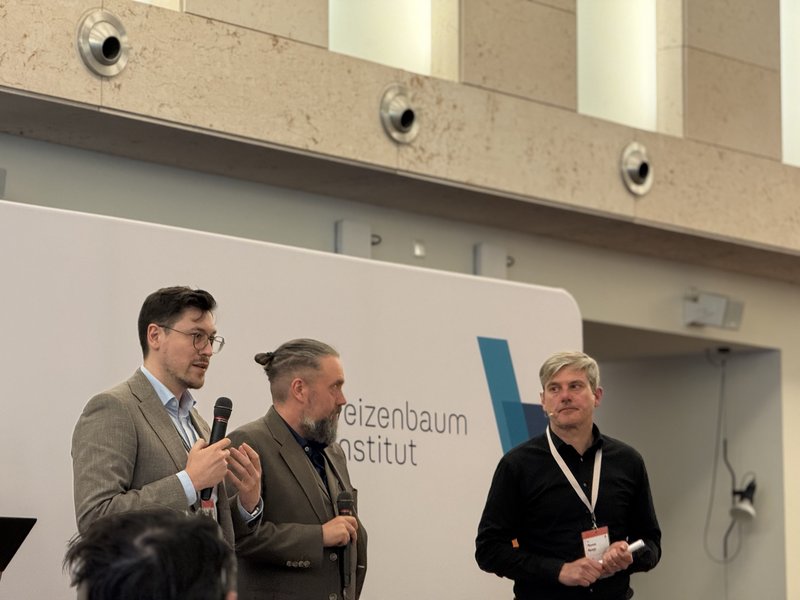
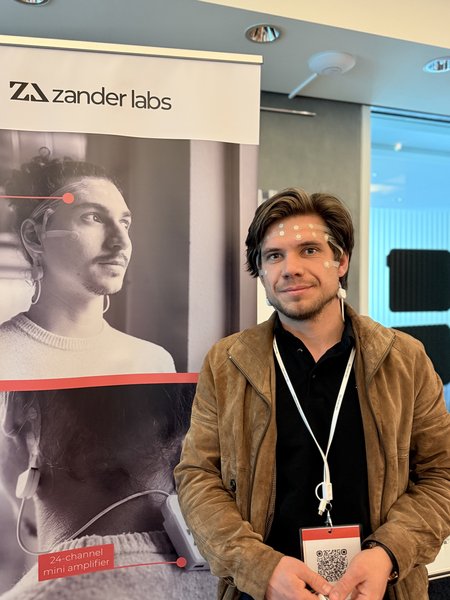
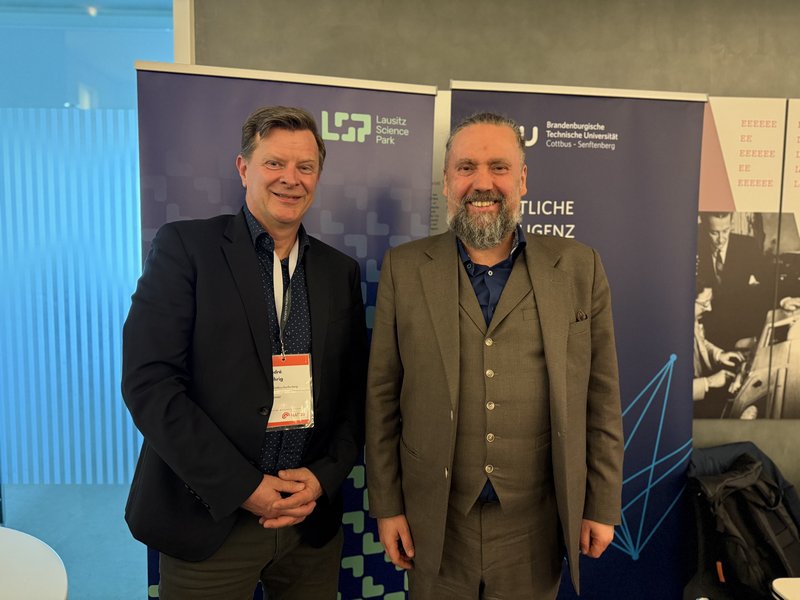
As part of NAT’26 – the Neuroadaptive AI Conference in Berlin – the team from Lausitz Science Park had the opportunity to learn about the latest developments in this field of the future. They attended at the invitation of Prof. Dr Thorsten O. Zander, a professor at the Brandenburg University of Technology Cottbus-Senftenberg and co-founder of Zander Labs.
The conference brought together researchers, start-ups and industry representatives to discuss the current state of neuroadaptive AI and its future applications.
Technology that understands people
Neuroadaptive systems use signals from the brain and the body to monitor a person’s state - for example, attention, stress, fatigue or cognitive load. The aim is that people no longer have to adapt to the technology, but rather that the technology understands people and adapts to their needs. This opens up new possibilities for a more intuitive, personalised and human-centred use of artificial intelligence.
A wide range of applications
The potential applications extend far beyond research. In future, neuroadaptive technologies could be used in areas such as healthcare, transport, education, gaming, safety-critical applications and the next generation of human-computer interaction. Many discussions centred on the question of how these technologies might become part of our everyday lives in the coming years, and what technological, ethical and societal challenges this entails.
From research to application
A particular focus of the event was the theme ‘From Lab to Market – Translating Science into Impact’. The central question was how scientific findings can be translated into marketable products and sustainable business models.
This provided an opportunity to engage in dialogue with innovative companies and start-ups in the field of neuroadaptive AI, including Neurorium, AURYAL and Netholabs, whose developments are helping to shape the growing ecosystem surrounding brain-computer interfaces and neuroadaptive technologies.
Events such as NAT’26 demonstrate just how closely the fields of artificial intelligence, neuroscience and deep tech are now converging. Such developments are of particular interest to the Lausitz Science Park, as neuroadaptive technologies could provide important impetus for new research collaborations, spin-offs and innovative business models in the future.
Contact