
Studying WHS
The World Heritage Studies (WHS) Master’s programme was established in 1999 at the Brandenburg University of Technology Cottbus-Senftenberg and has continuously developed in response to changes in the global heritage field and higher education landscape. Over more than two decades, the programme has refined its academic profile, expanded its international orientation, and adapted its teaching formats to meet the needs of a diverse and globally connected student body.
Building on its long-standing academic foundation, WHS combines research-led teaching with practice-oriented formats and international perspectives. The programme structure is designed to provide both methodological depth and thematic flexibility while ensuring consistent academic standards across different modes of study.
Today, the programme offers two study modes, ensuring greater flexibility and accessibility for students worldwide:
On-Campus Mode
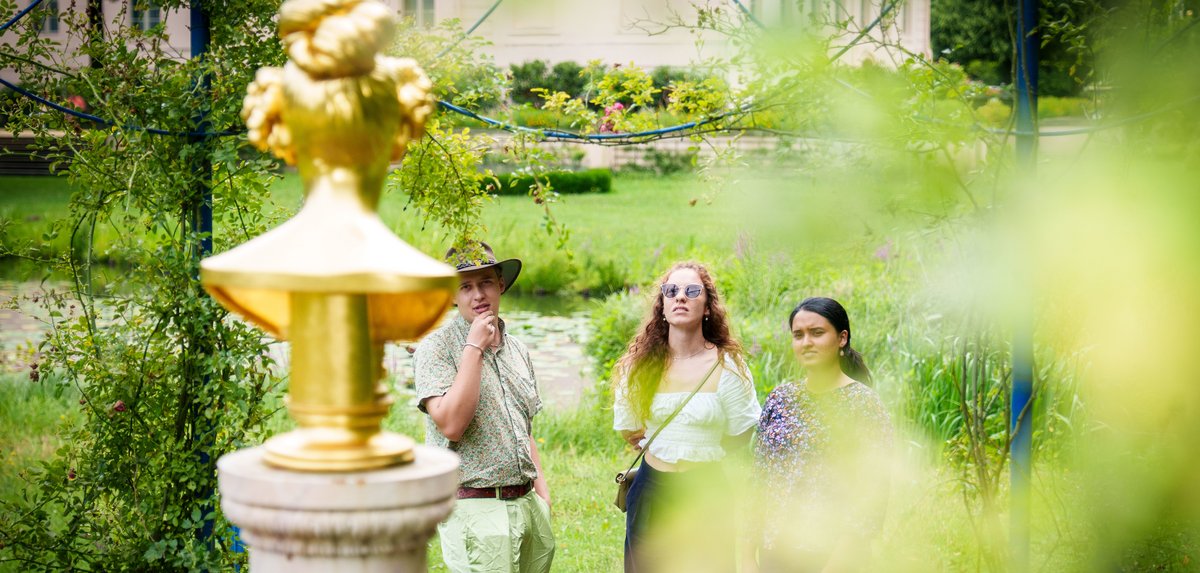
Students based in Cottbus enjoy a fully immersive learning experience, combining lectures, seminars, excursions, and hands-on projects at heritage sites. Direct interaction with lecturers and fellow students fosters networking, collaboration, and intercultural exchange. On-campus students benefit from immediate access to resources, workshops, and field experiences, while still maintaining the possibility of studying remotely if needed, ensuring flexibility without losing the richness of in-person learning.
Online Mode
The Online Mode is designed for students who are unable to relocate. Courses are delivered primarily asynchronously, allowing independent study and compatibility with professional or personal commitments. While elective options are more limited, this mode provides a flexible path to complete the programme remotely, maintaining core academic standards and learning outcomes.
Both study modes ensure that WHS continues to meet the growing global demand for well-trained experts in cultural and natural heritage while maintaining the academic excellence that has defined the programme for over 25 years.
Students have the opportunity to consider shifting to on-campus mode for later semesters, if desired.