Press releases

First India Day at BTU

Cultural and academic exchange, as well as strong cooperation with India, were the focus of the first India Day in Cottbus. At the invitation of the BTU Cottbus-Senftenberg and the Indian Embassy, researchers, students and guests attended the event on 18 September 2026, which was organised by BTU students from India.

Expert forum to mark World Alzheimer’s Day

Dementia is generally regarded as a disease of old age. A specialist forum organised by the BTU Cottbus-Senftenberg on Monday 21 September, World Alzheimer’s Day, demonstrates that this view is too narrow.

What does ‘ageing well’ sound like? BTU launches a podcast based on real-life experiences

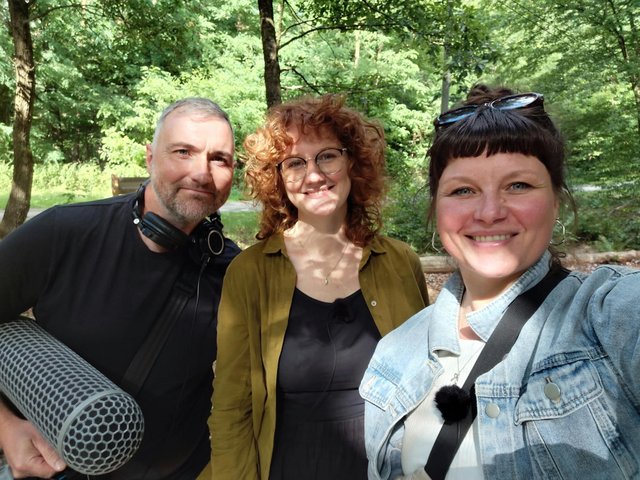
Loneliness in the neighbourhood, an on-demand bus service across the countryside, a new village square in the middle of a building site: the podcast “Zukunft.Gestalten.Leben” takes listeners to places where decisions are being made about what a good life in old age might look like in Lusatia. The programme is produced by AlterPerimentale, a research project at BTU Cottbus-Senftenberg.

The course has been set for the President’s new term of office

On 14 September 2026, the Minister for Science, Dr Manja Schüle, will present the certificate of appointment to Prof. Gesine Grande. This means that the re-elected President of the Brandenburg University of Technology Cottbus-Senftenberg (BTU) will be able to take up her second term of office as scheduled on 1 October 2026.

R+I Factory research initiative launched in Cottbus

Manja Schüle, Minister for Science, has launched the initiative for AI and Microelectronics. The Federal Ministry of Research is funding the project with 15 million euros under the Structural Strengthening Act. The first module, AI-DISCO, is researching a platform for distributed AI.

From the lecture to CERN

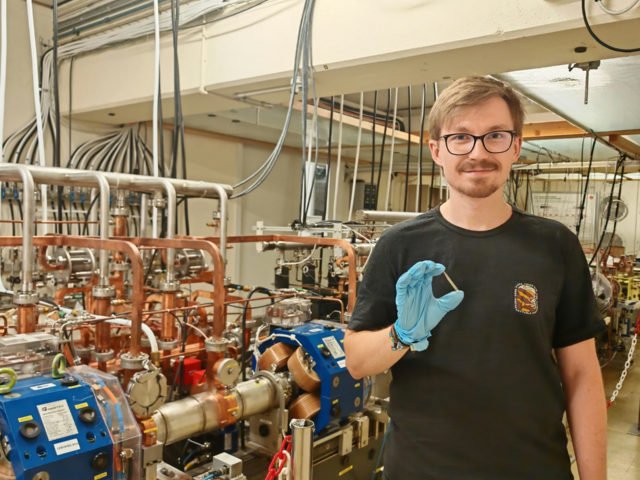
How did our universe come into being? Why does matter exist, rather than just energy? What is the mysterious dark matter made of? A student at the BTU is researching these questions: as part of his Master’s thesis at CERN, Severin Schmidt is developing innovative high-frequency absorbers – a key technology for the most powerful particle accelerators of the future.