
Materials and Testing Technology
Materials and Testing Technology
Materials and testing technology constitutes a key interdisciplinary area of the Chair’s work. From the development of filler materials and the characterisation of structure-property relationships across various processes, right through to numerical and physical materials simulation, materials and testing technology plays a central role in our work.
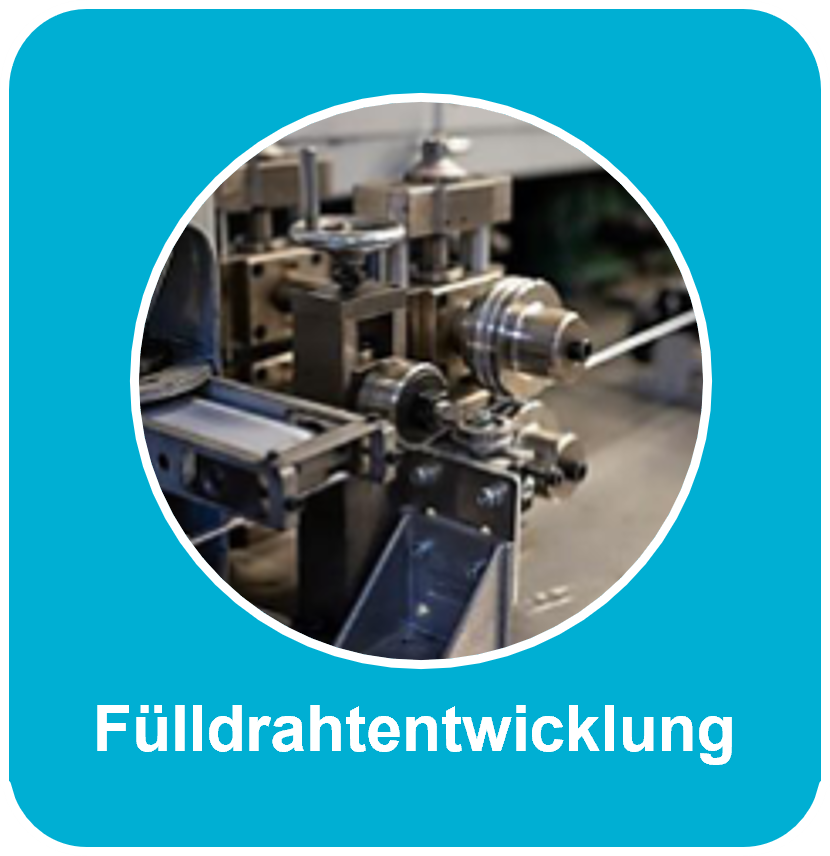
Development of cored wires
On the one hand, flux-cored wires offer the possibility of producing filler metal compositions that cannot be achieved by conventional means. On the other hand, different alloy compositions can be produced rapidly, enabling the swift development of bespoke filler metals. The range of feasible material groups includes, amongst others, iron-, nickel- and copper-based materials.
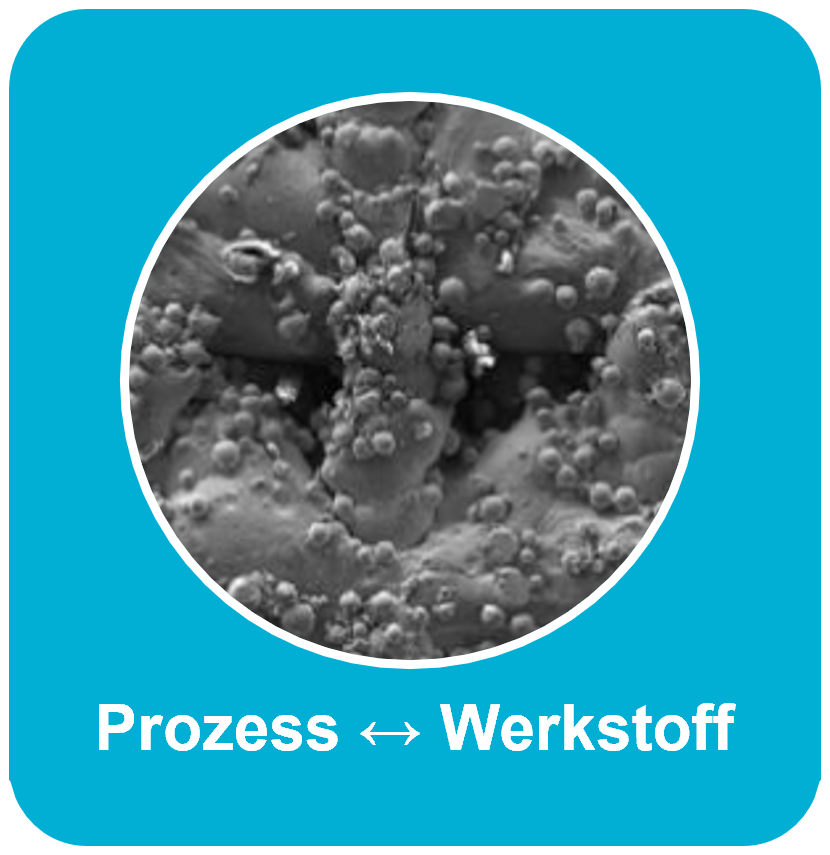
Process-material interaction
Various processes and energy sources influence the formation of the microstructure, for example in the weld metal and the heat-affected zone. The systematic description of structure-property relationships in the context of energy sources, processes and materials is of crucial importance for the development of novel joining concepts and processes.
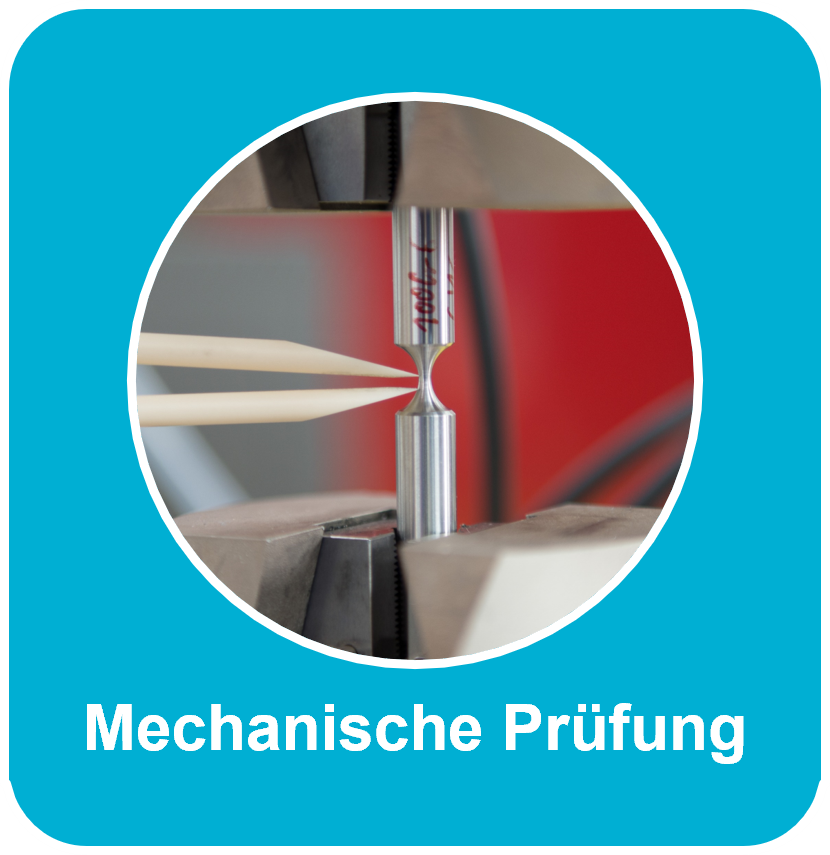
Mechanical testing
Testing of welded joints and additively manufactured components enables the mechanical and technological properties to be characterised. The range of tests extends from short-term and fatigue tests through to high-speed tests and creep testing, and allows for the consideration of superimposed stress combinations. The capabilities of the in situ tensile/compressive testing rig using computed tomography, testing under hydrogen loading and high-temperature testing further expand the range of possible testing technologies.
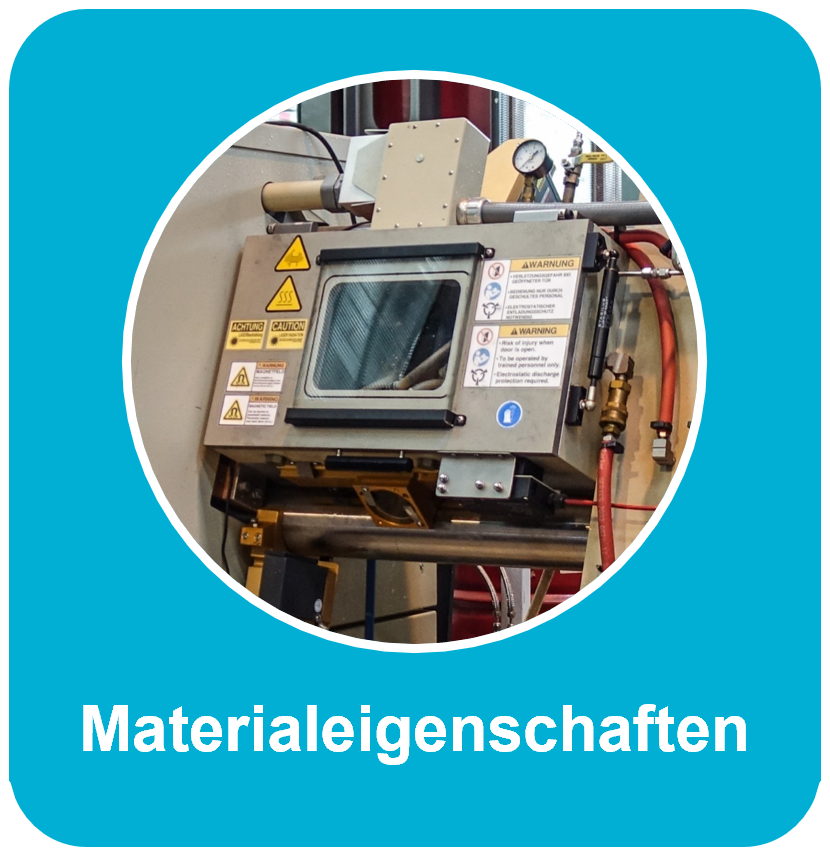
Material properties and material modelling
Numerical and physical material simulation under the influence of joining processes and additive manufacturing enables a detailed description of the thermomechanical behaviour of materials.
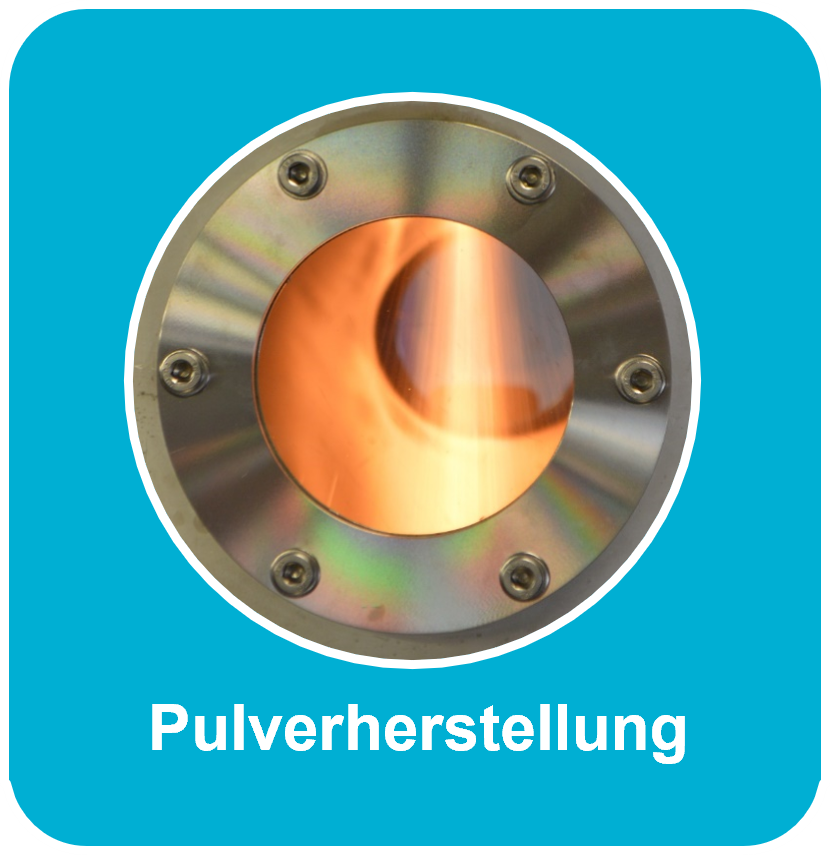
Development of powdered materials
Based on numerical simulation, alloy systems are characterised and produced by atomisation. Various routes can be utilised, involving crucibles and (filler) wires, to develop filler materials for cladding via build-up welding, or raw materials for additive manufacturing via powder-bed fusion and Directed Energy Deposition (DED).