
Modelling and Simulation
Modelling and Simulation
Simulation provides insights into processes and components that are not accessible, or only to a very limited extent, via measurement techniques. Modelling a wide variety of physical mechanisms enables the development of an in-depth understanding of how various phenomena – such as defects, distortion or residual stresses – arise. This leads to further opportunities for reducing calculation times, optimising materials, processes and component structures, as well as for integration with methods of artificial intelligence and machine learning.
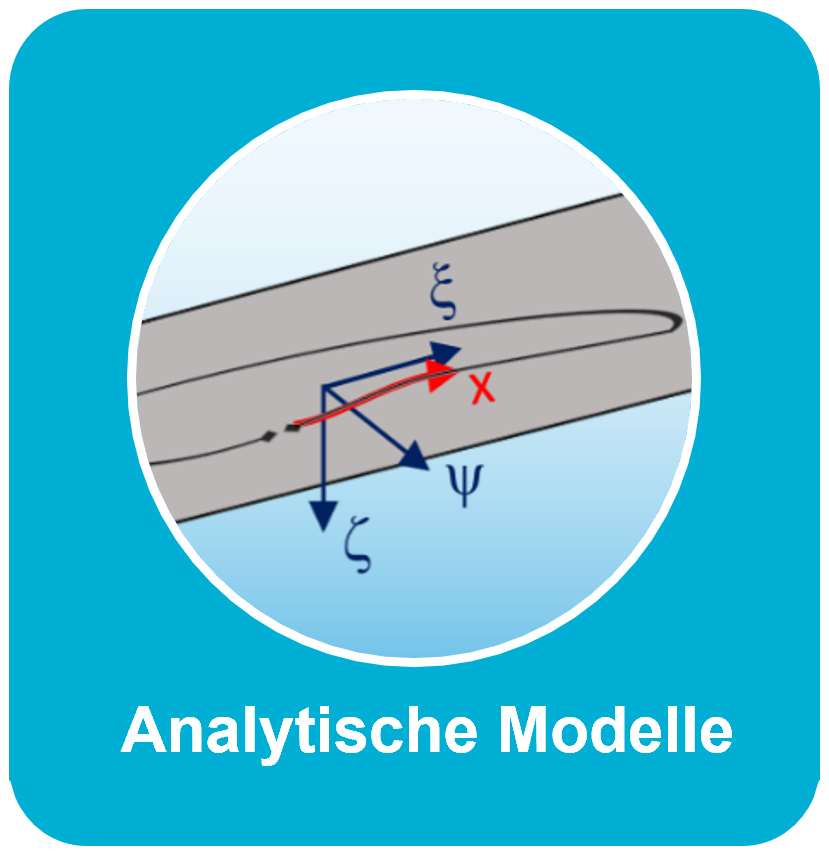
Functional analytical modelling
The development of functional analytical models for welding technology and additive manufacturing enables a significant reduction in computational effort, including for the rapid calculation of temperature fields even for complex component geometries, thereby making it possible to carry out optimisation tasks, sensitivity analyses and real-time control can be carried out much more efficiently. The models thus provide a powerful complement to classical FEM and make a decisive contribution to property-controlled and adaptive process control.
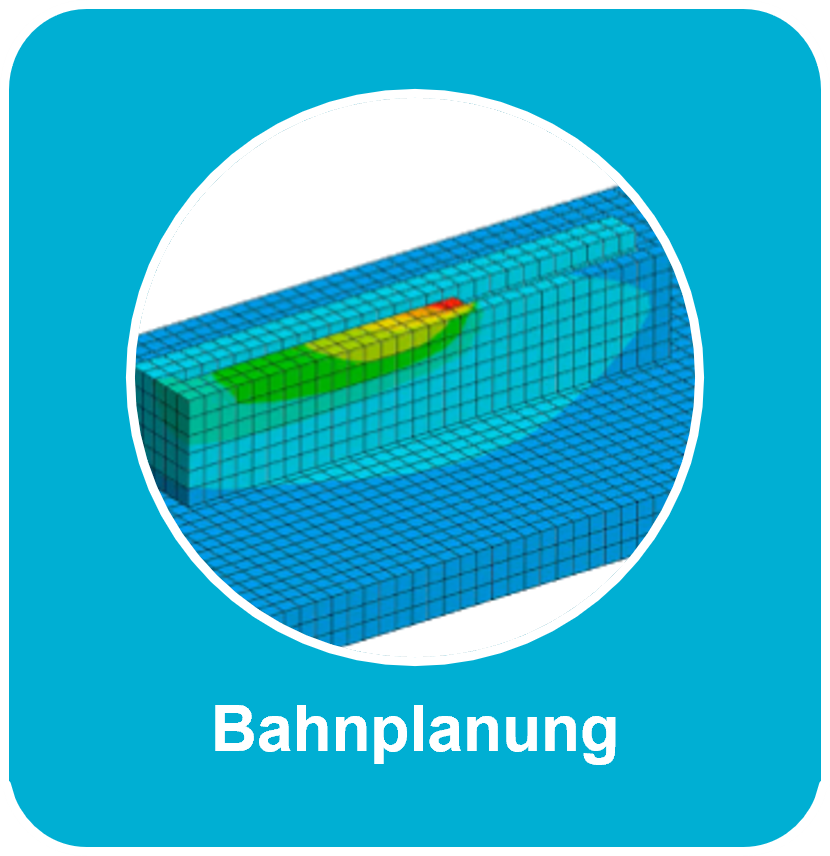
Path planning and adaptive manufacturing strategies
The integration of path planning algorithms with numerical simulation for additive manufacturing and build-up welding enables the efficient development of adaptive manufacturing strategies. This allows optimal deposit sequences and process parameters to be tailored specifically to take account of component geometry, temperature distribution and material-specific requirements. This enhances process reliability, component quality and resource efficiency.
Material modelling
The simulation of materials and alloys enables the design of powder and flux-cored wire materials, as well as the description of their behaviour in welding processes and additive manufacturing. This makes it possible to predict microstructure and mechanical properties and adapt them to the respective process requirements.
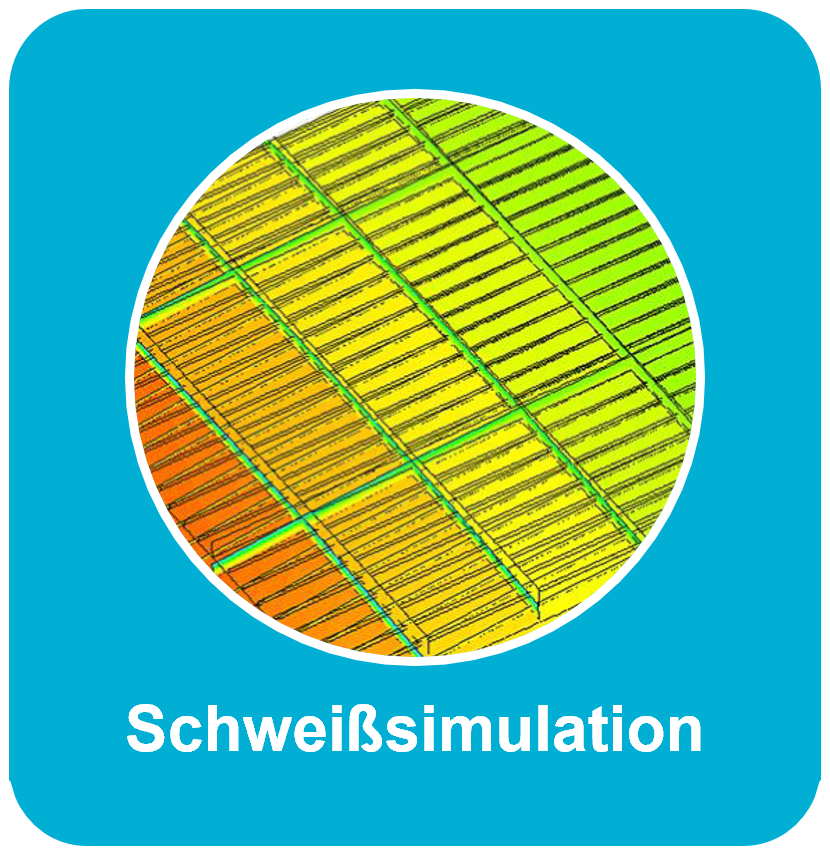
Welding simulation and thermal effects
Thermal-mechanical welding simulation enables the thermal effects in welding processes to be modelled. The development of material models, the calculation of residual stresses and distortion, and the consideration of other physical effects – including gas diffusion – enable a detailed description of relevant phenomena during welding.
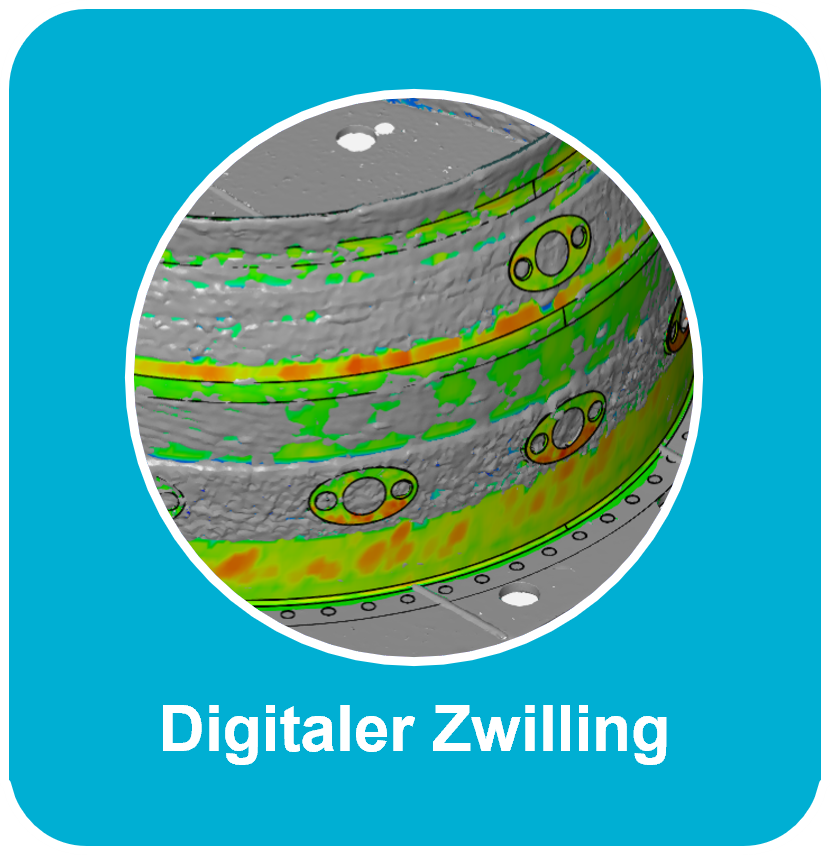
Digital twin – from data to models
The research focuses on harnessing various data streams, their automated processing and their integration into artificial intelligence and machine learning models, including for the prediction of material properties and geometric parameters.
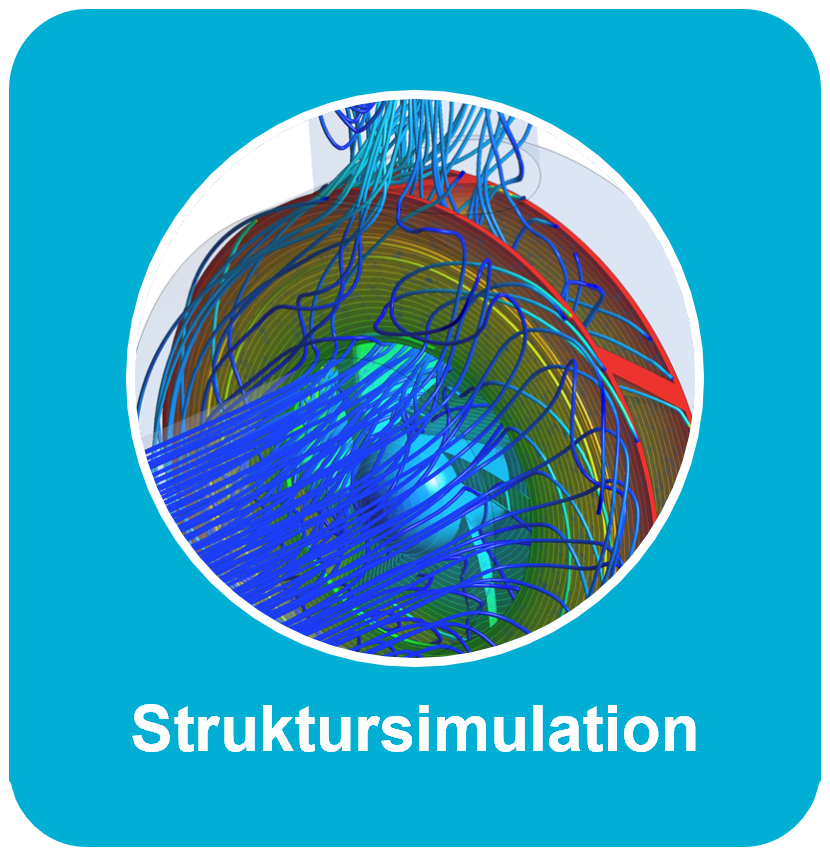
Structural simulation and multiphysics coupling
Structural simulation and multiphysics coupling enable the holistic analysis of components under mechanical, thermal and other physical stresses. By integrating various simulation disciplines, such as structural mechanics, thermomechanics and fluid dynamics, complex interactions and the behaviour of hybrid or multi-material systems are modelled realistically and optimised in terms of manufacturing strategy and material selection.