
Institute of Biotechnology
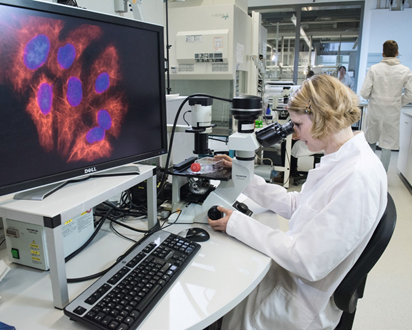
At the Institute of Biotechnology, researchers are conducting work in the fields of biomedicine and the bioeconomy, tackling innovative topics ranging from basic to applied research, and thus form part of the BTU’s Health and Life Sciences profile.
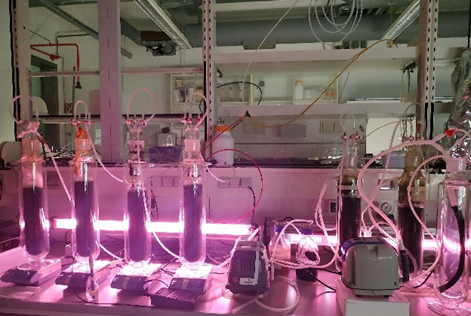
This research leads to technological expertise in areas such as metabolic profiling, data processing tools, in vitro cell and tissue models, cell-free protein synthesis, and BCCU. The institute’s research strength is demonstrated by external funding from the DFG, the BMBF and the EU.
The institute’s aim is to continue developing the Senftenberg campus into a leading biotechnology hub in the future. As a model region in Lusatia for the bio-based economy, Senftenberg is the ideal location, as it brings together science and industry, sustainability and climate protection in a synergistic way. Biotechnological processes form the basis for medical devices, bio-based plastics and specialised products for food and agriculture.
Materials chemistry
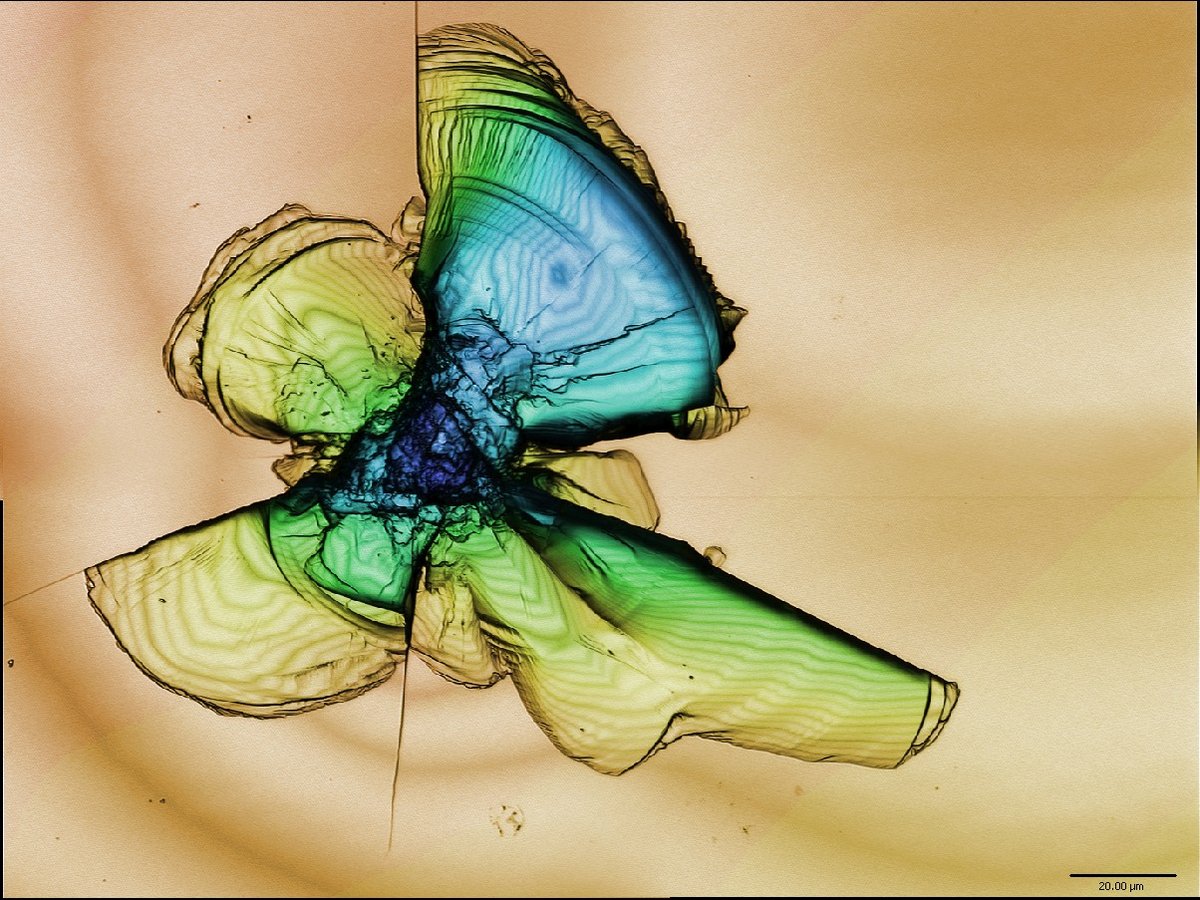
New materials for resource- and energy-efficient applications and processes, recycling loops for valuable and rare materials, and the replacement of fossil raw materials with natural substances and biomaterials: the Institute of Materials Chemistry brings together all these activities relating to chemical transformation and the characterisation of new materials, and follows these materials through to their engineering implementation and application.
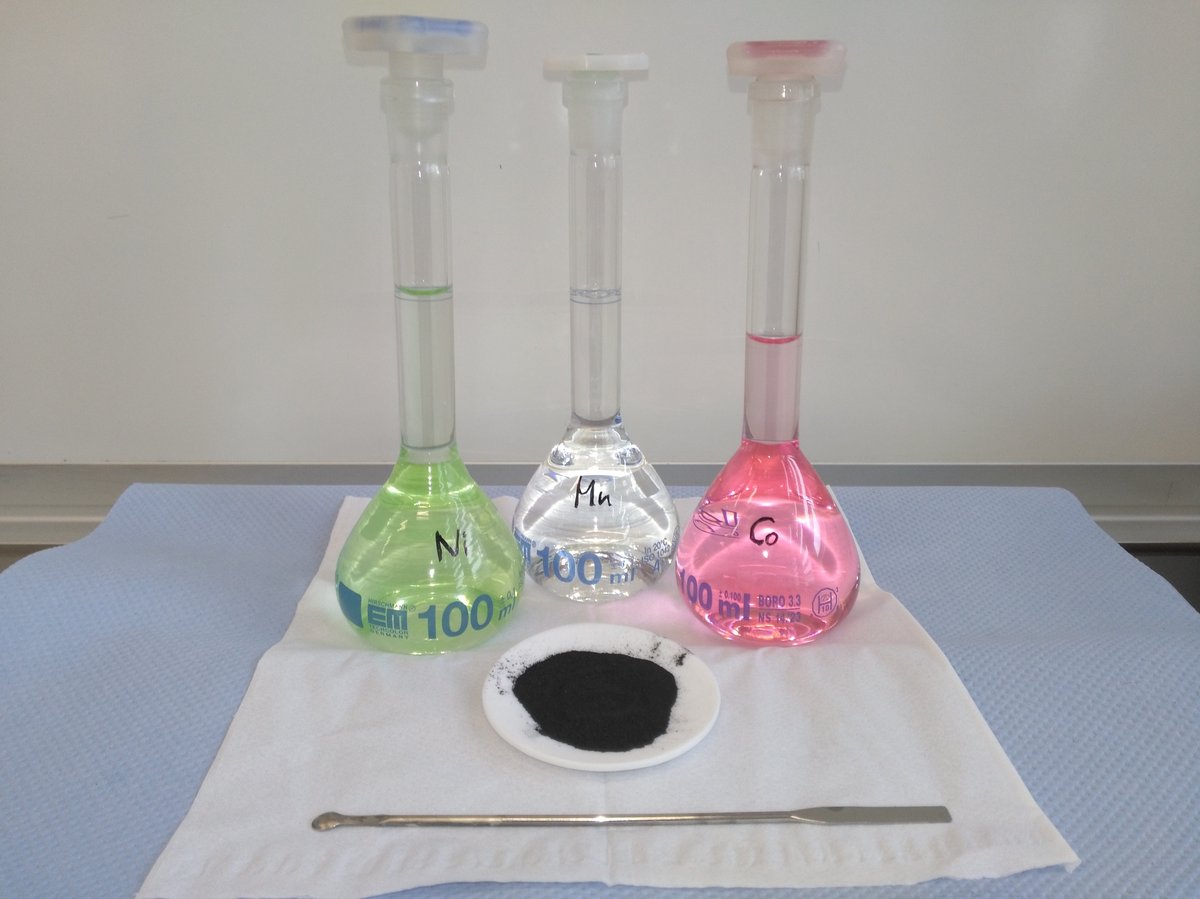
Through our current research into materials for energy conversion and energy and heat storage, battery materials and porous carbon materials, we are jointly further developing the BTU’s ‘Energy Transition and Decarbonisation’ research profile. Our new specialist areas of biopolymers and polymer chemistry, together with colleagues from biotechnology and the Faculty of Health Sciences, are continuing the successful development of the BTU profilearea‘Health and Life Sciences’ at the Senftenberg site. In doing so, we are ensuring that the Senftenberg campus will remain an attractive location for high-calibre teaching and research in the future.
Institute of Environmental Sciences and Environmental Engineering
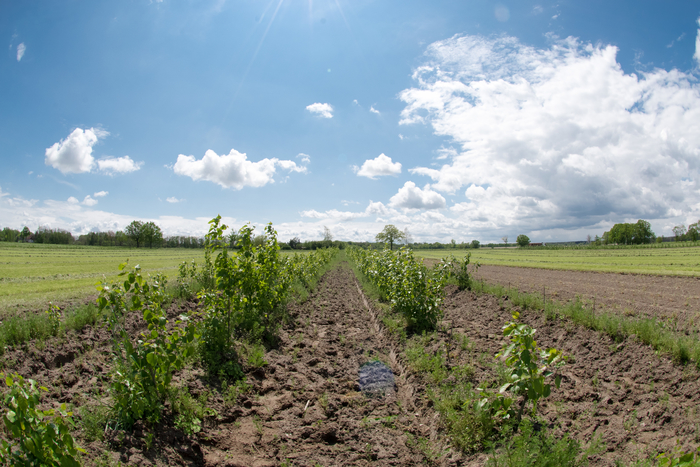
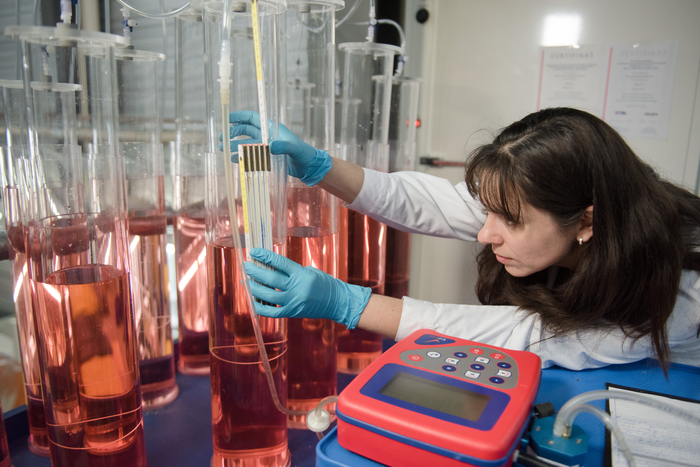
With the establishment of the Institute for Environmental Sciences and Environmental Technology (IUWT) in 2022, the faculty is pooling its expertise within the BTU’s‘Global Change and Transformation Processes’research focus area.
The twelve BTU professorships at the IUWT in Cottbus and Bad Saarow, supported by joint appointments and honorary professorships, conduct research into solutions to complex environmental problems that require an integrated approach to environmental systems. The IUWT’s research, which is closely linked to teaching, is underpinned by three pillars: 1. Teaching scientific, particularly biogeoscientific, knowledge and skills for understanding natural and anthropogenically shaped landscapes; 2. Designing and applying engineering skills to develop technical solutions to environmental problems; and 3. Holistic management of environmental systems based on social science and planning skills.