Geophysical Characterization of Ancient Copper Mining Structures in Mitterberg
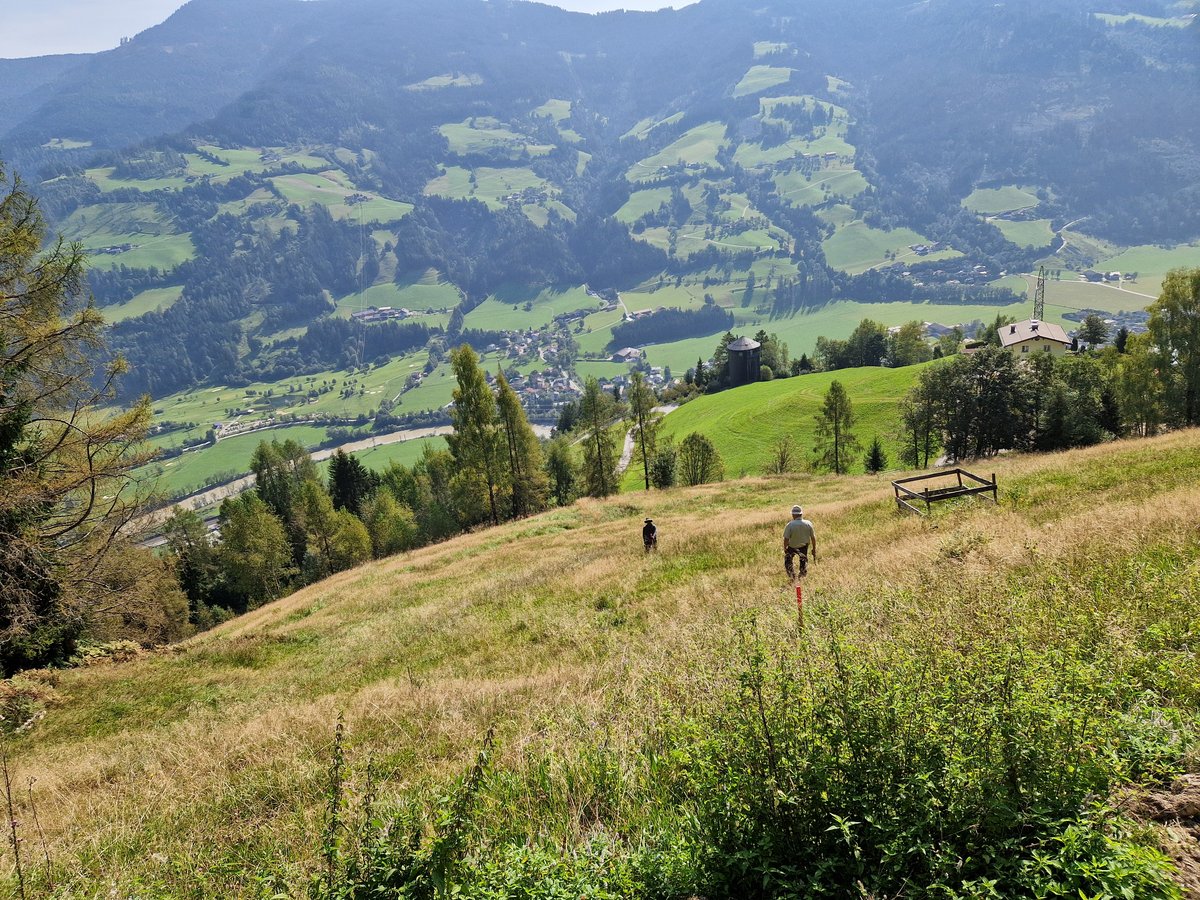
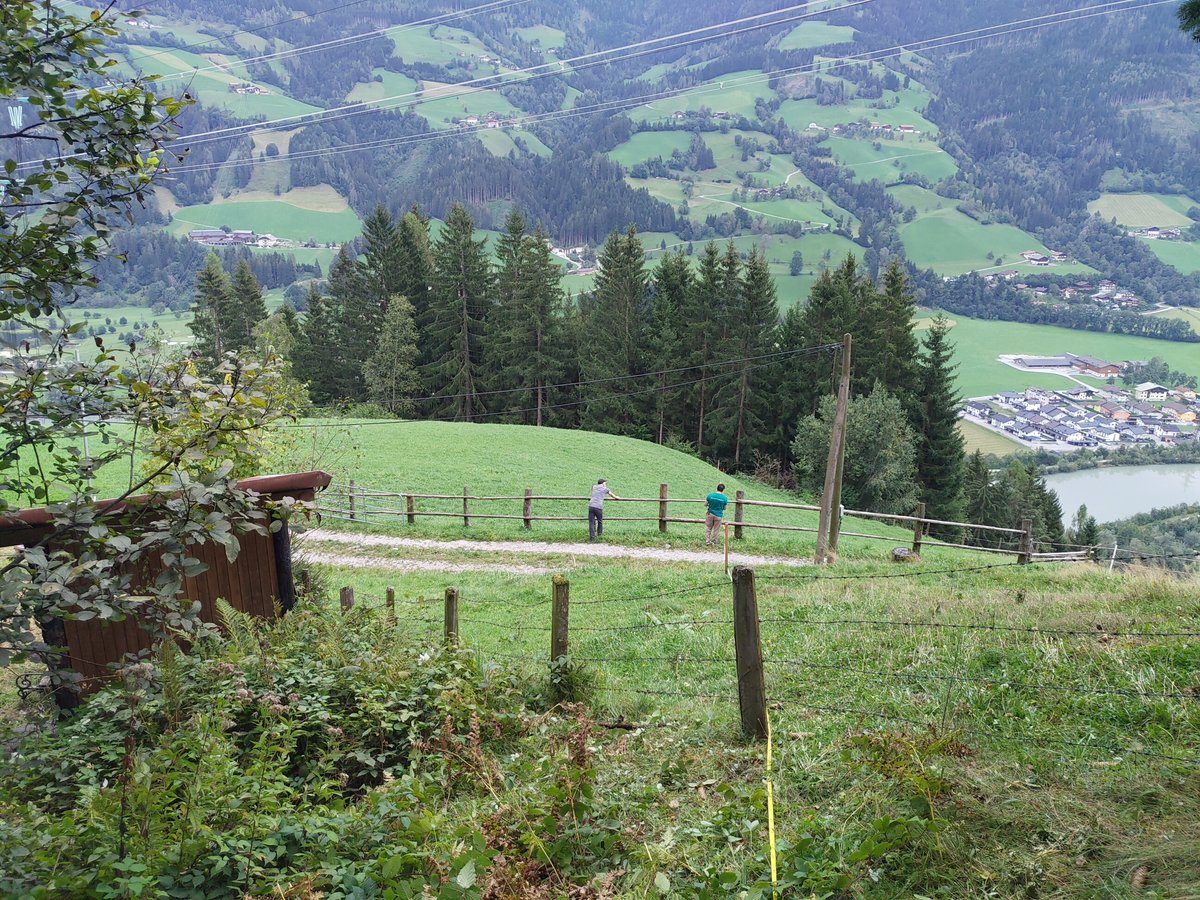
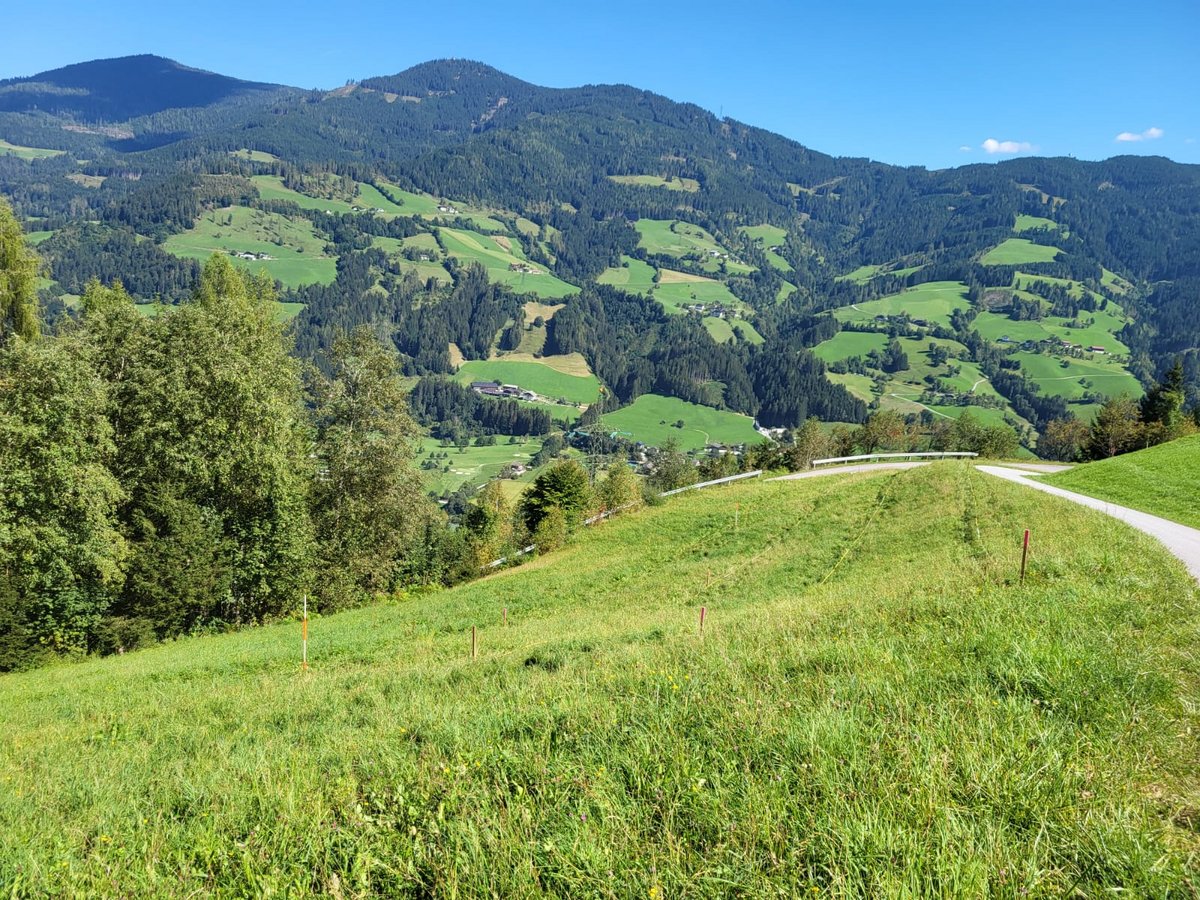
The Mitterberg mining district, located near Salzburg in Austria, is one of the most important areas of prehistoric copper production in Central Europe. The landscape is characterized by numerous mining depressions (Pingen), which represent surface expressions of extensive underground mining activities carried out during the Bronze Age. These features reflect a long history of mineral exploitation and provide valuable insight into early mining techniques and their impact on the alpine environment.
Within the framework of interdisciplinary research initiatives coordinated by archaeological teams from Bochum, geophysical investigations have been carried out in the area to improve the understanding of subsurface mining structures. Our group contributed to these studies by applying mainly Electrical Resistivity Tomography (ERT), Induced Polarisation (IP) complemented in selected cases by Ground Penetrating Radar (GPR), with the aim of characterizing the internal structure and depth extent of the mining depressions. Repeated field campaigns, often integrated into student training and research activities, have consistently focused on the same objective: to link surface morphology with the preserved underground architecture of ancient mining works.
ERT profiles acquired across and along selected depressions reveal pronounced resistivity contrasts between loose backfilled material and compact bedrock. Low-resistivity zones are typically associated with infilled shafts or collapsed galleries, while higher resistivity bodies are interpreted as intact bedrock or residual support pillars left by prehistoric miners. In several cases, vertical or inclined conductive features suggest former access shafts or ventilation structures connecting the surface with deeper excavation levels. The results demonstrate that the alignment and geometry of the depressions are closely related to the underlying ore-bearing structures, reflecting a systematic exploitation.
The investigations at Mitterberg highlight the value of near-surface geophysical methods for archaeological mining research. The combination of ERT, IP, local GPR surveys, and surface observations provides a robust, non-invasive approach to reconstructing ancient mining systems and contributes to a better understanding of early resource exploitation in the Eastern Alps.