ERT Surveys for Archaeological Prospection in Petra
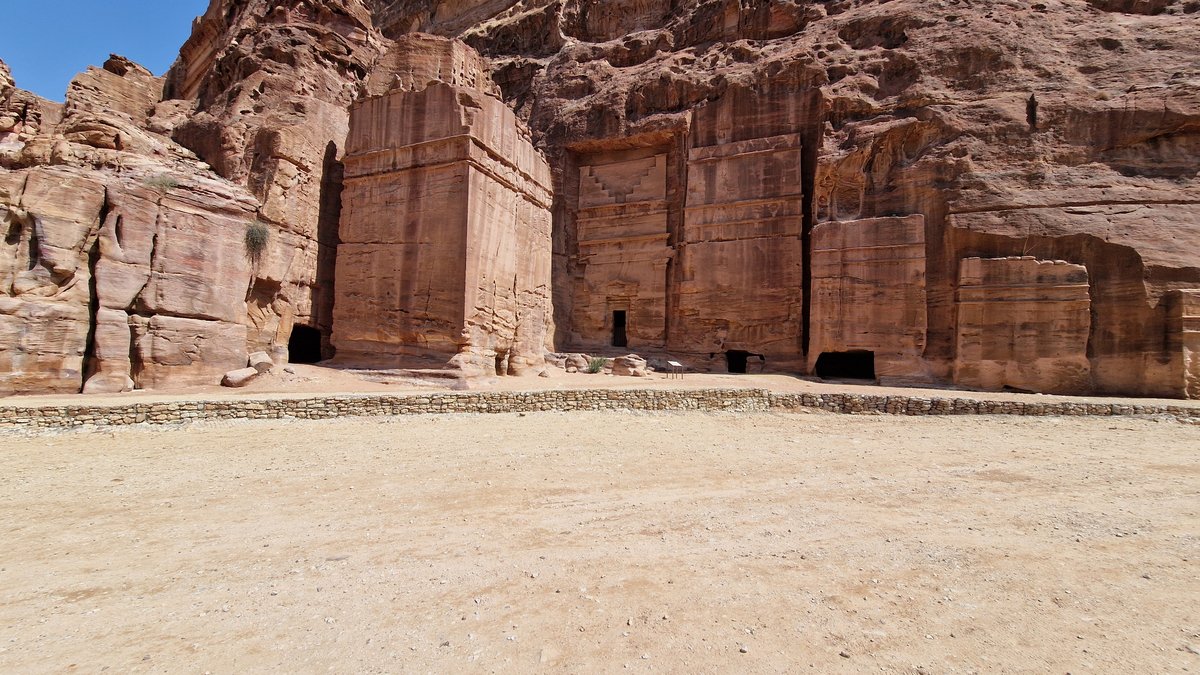
The ancient city of Petra, located in present-day Jordan, is one of the most important archaeological sites in the Near East. Renowned for its rock-cut architecture and complex water management systems, the city developed through a long interaction between human activity and a challenging natural environment. Research over recent decades has increasingly addressed Petra’s architectural development, urban organization, and its adaptation to geological and environmental conditions.
Within this context, an interdisciplinary research project led by the Chair of Architectural History (Baugeschichte) at BTU Cottbus–Senftenberg, in collaboration with archaeologists from Humboldt University, investigates Petra’s urban fabric, construction techniques, and the processes affecting the preservation of architectural remains. Geophysical prospection forms a complementary component of this work, supporting archaeological and architectural interpretation by providing information on subsurface features that are no longer visible at the surface.
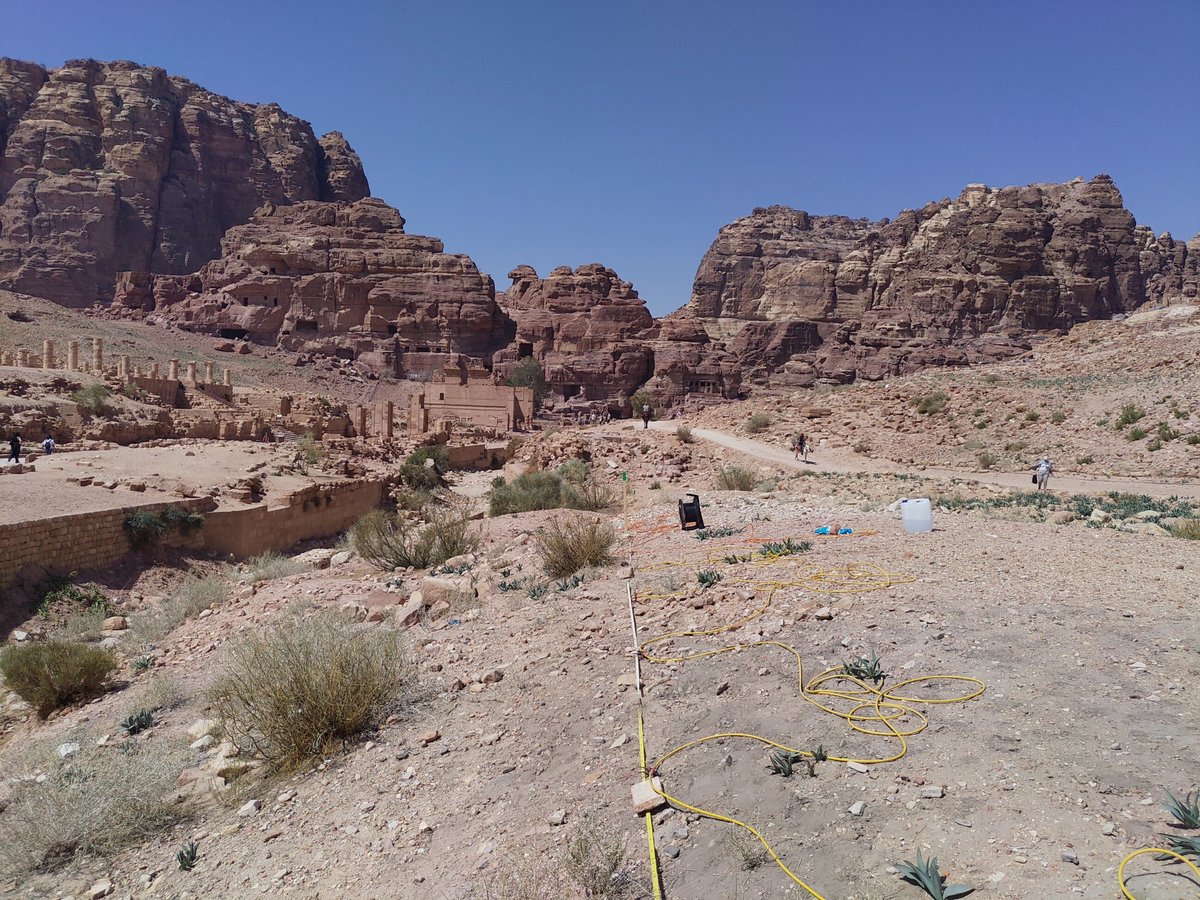
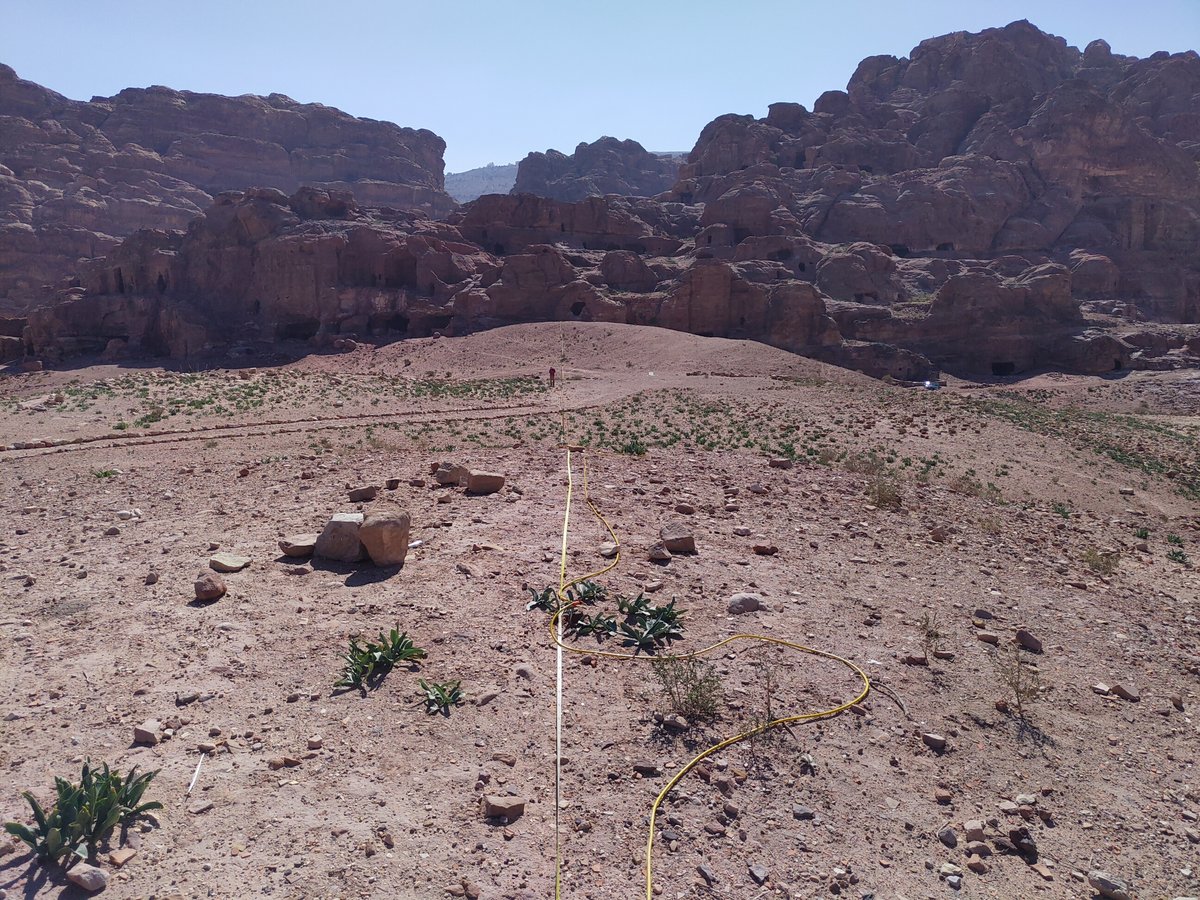
In March 2025, the Chair of Raw Materials and Resource Management at BTU contributed to the project through a geophysical test survey based on Electrical Resistivity Tomography (ERT). The survey focused on selected areas of archaeological interest and aimed to clarify the application possibilities within the local ground/soil conditions and if aplicable to characterize subsurface structures and sedimentary contexts relevant to the interpretation of the site. Five ERT profiles were acquired across locations near visible architectural features, with survey parameters adapted to resolve both shallow and intermediate subsurface structures.
ERT was selected for its ability to image variations in subsurface resistivity related to lithology, moisture content, and built structures. The data were acquired using a multi-electrode system, processed with established inversion techniques, and interpreted in close relation to archaeological observations. The resulting resistivity models reveal contrasts between bedrock, sedimentary deposits, and potential buried architectural elements, suggesting the presence of subsurface features that extend beyond the visible remains. By integrating geophysical data with architectural and archaeological evidence, the survey contributes to a more comprehensive understanding of Petra’s subsurface structure and site formation processes.